
Overview
Each year, the Department publishes a Consumer Protection Report that summarizes the weights and measures inspections done by the Department and offers guidance to help consumers make informed purchases.
Read the report to learn how to spot issues like overcharges while shopping or buying fuel, and how to contact the Department for assistance when problems arise.
Current Report
Download the latest Consumer Protection Report to explore inspection results, consumer protection trends, and practical tips for informed shopping.
-
2025 Consumer Protection Report (English PDF)
Content textAnnual report on consumer protection inspections, trends, and tips to help you shop with confidence.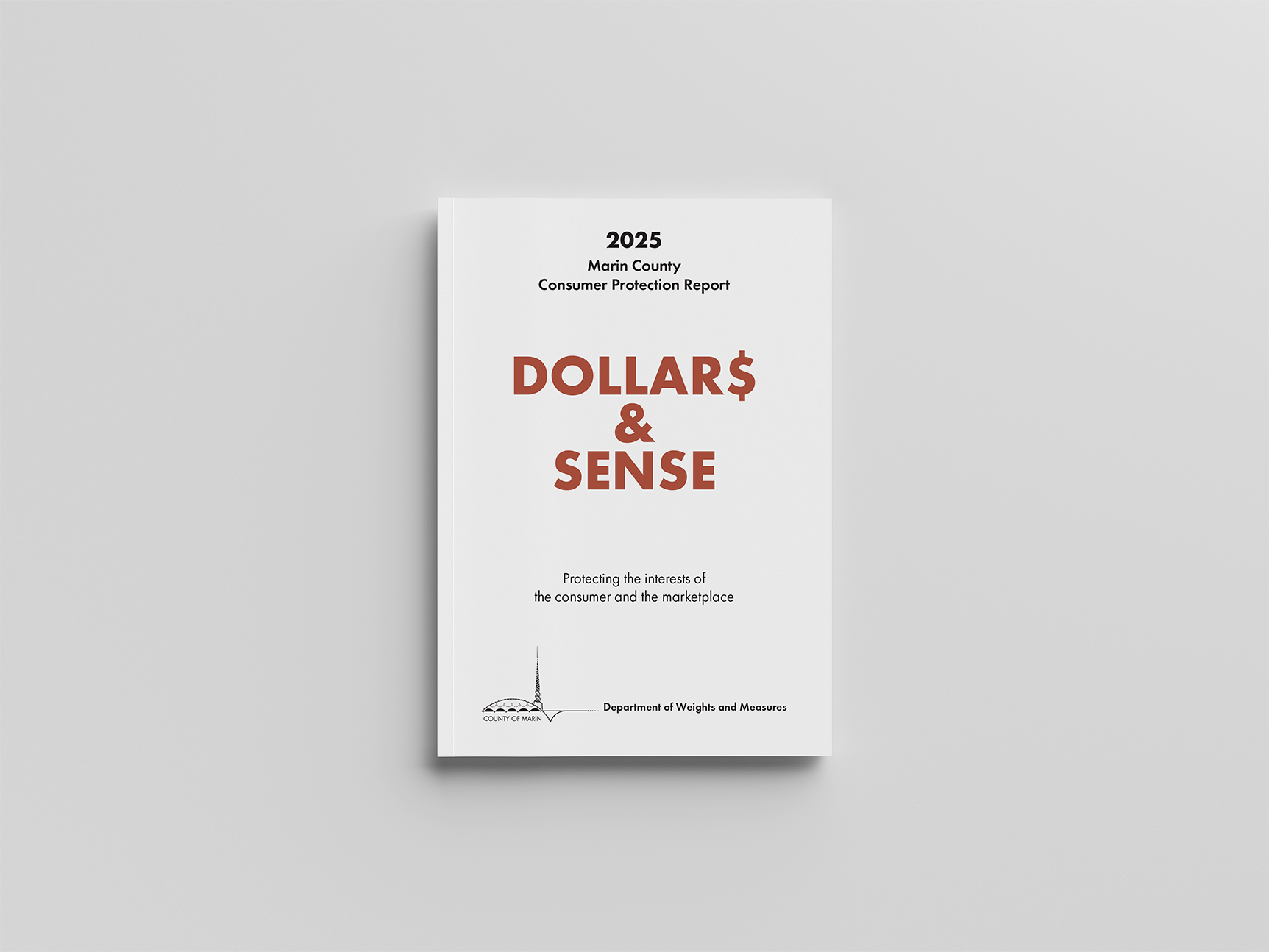
-
Informe de Protección al Consumidor 2025 (PDF en Español)
Content textVersión en español del informe anual sobre inspecciones, tendencias y consejos para proteger a los consumidores.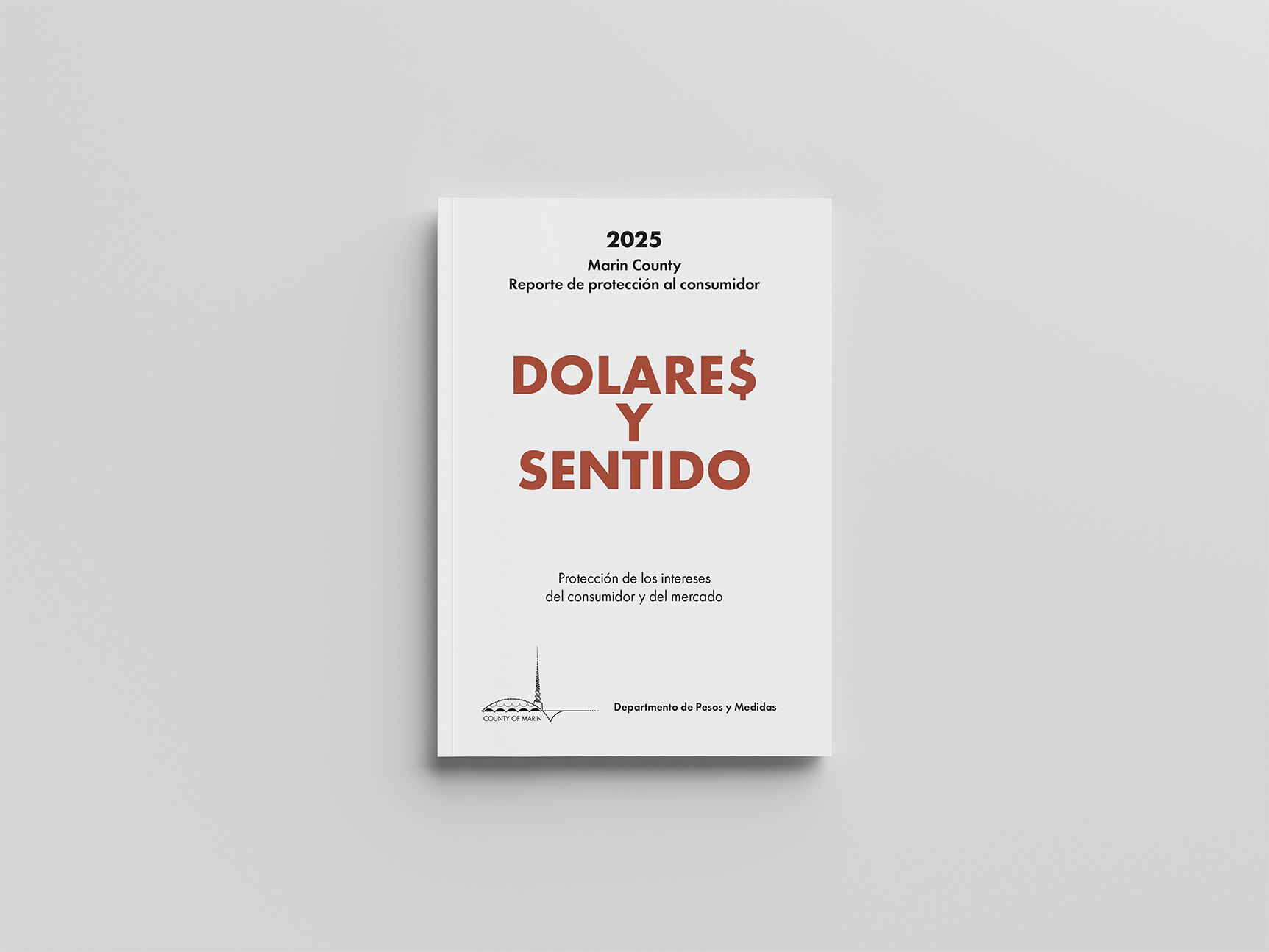
Highlights from the 2025 Report
Here are the highlights from this year's Consumer Protection Report, including common consumer issues, inspection results, and practical tips to help you make informed purchases.

Sale Signage
Even if the sale has ended, customers are still entitled to the lowest advertised price if the sign has not been removed. Terms and conditions may apply to sales prices, but they must be clearly posted.
Pump issues
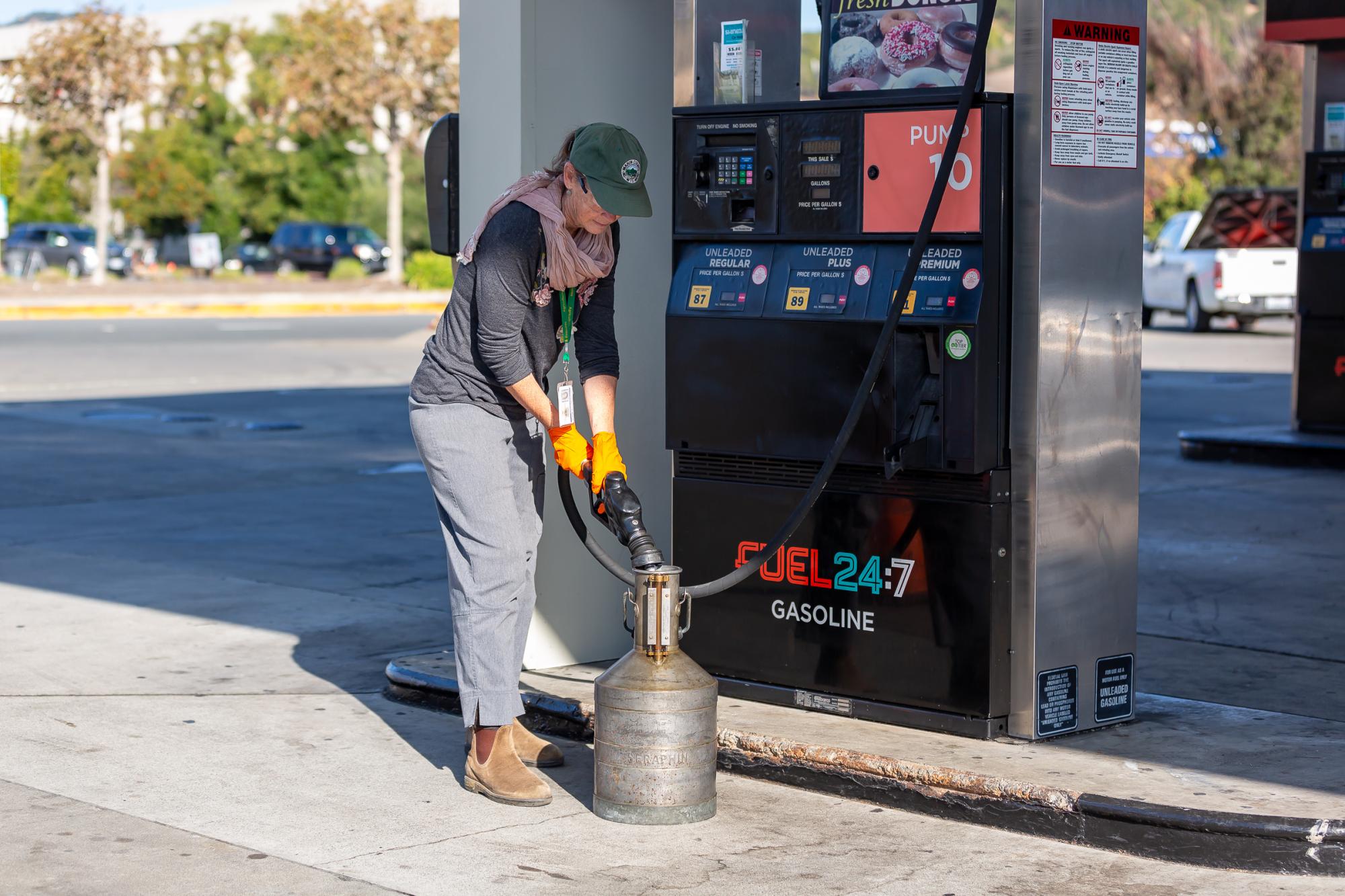
- When fueling your vehicle, watch out for meter creep and auto shutoff malfunctions at the pump.
- Meter creep is when you stop fueling, but the meter continues to read that gas is going into your vehicle.
- Auto shutoff is the mechanism that automatically stops the pump when your tank is full. If the pump does not turn off, it could cause a safety hazard.
- Both meter creep and auto shut off issues can be reported to the station manager and our office.
To learn more about meter creep and auto shut off, read the 2025 Consumer Protection Report.
Why It Matters
While an extra 25 cents on a bottle of water or a scale reading slightly heavier than it should may not seem like much, small errors can add up over time. If someone buys that water bottle every workday, that’s an extra $65 a year. Likewise, if a scale is inaccurate, a product priced at $20 per pound could cost an extra dollar with a difference of just 0.05 pounds. The report is meant to show consumers what to look for while shopping, so you know you are getting what you pay for.
What to Look For
When making purchases in stores or over devices:
- Check your receipts before leaving the store. Make sure the price you were charged matches the lowest advertised price posted on the shelf, sign, or item.
- Watch out for ‘invisible’ charges that shouldn't be applied, like an item having a CRV (California Redemption for recycling) applied when it shouldn’t.
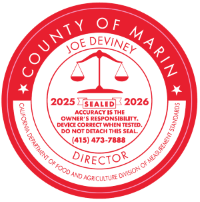
- Make sure that any device that is used to measure or weigh something for commercial use (like a deli meat scale, or a device for measuring wire for sale by the foot) has a seal with the current year or the year before. If the device does not have a seal, it might not be the right device for the job or might not be accurate.
- Make sure that you aren’t paying for the price of packaging of bulk or custom-packed foods. For example, at a frozen yogurt shop, a bulk aisle in the grocery store, or an olive/salad bar, you should not pay for the weight of the container that holds your food. The business needs to account for the weight of packing materials on their scales when they calculate your final price.
Report a Consumer Concern
When to Report
If you think you encountered a problem, try to collect as much information as possible. Photos, receipts, and notes about what happened can help with filing the report.
Scales:
Most scales in Marin County are tested every one to two years. That means you might see scales that have seals from the last year or two. If you notice a seal is older than three years or is missing entirely, file a report with our office.
Retail:
If you believe you were charged a higher price for an item than was posted or advertised, make sure to check your receipt. If you can, double check the shelf price you saw in store, and take pictures of any differences you see. For small overcharges like 5 or 10 cents, double check the item wasn’t something eligible for CRV (like plastic bottles or aluminum cans for drinks). If you believe there is an overcharge, report the issue to our office.
Gas Pumps:
If a gas pump appears to dispense slightly more fuel than your vehicle's listed tank capacity, it does not necessarily mean the pump is inaccurate. Vehicle fuel tank capacities are estimates and can vary slightly.
However, you should report the issue if you notice:
- A significant difference between the amount of fuel dispensed and your expected fuel capacity.
- Meter creep (the meter continues to increase after fueling stops).
- An auto shutoff malfunction.
- A gas pump that is missing a county inspection seal.
Take Action
If you notice any of these issues, contact our office as soon as possible.
If you believe you have been overcharged on an item, have experienced a malfunctioning or inaccurate device, or been refused a sale price, do the following:
- Double check the posted price, sale signage, or the terms of the transaction.
- If possible, report the issue to the manager or supervisor in the store. They may be able to resolve the issue right away.
- Keep your receipts related to the purchase.
- Take photos of any relevant signs, price tags, displays, or postings.
- Submit a report to our office, using the online form or by calling the complaint line: 415-473-7888
Frequently Asked Questions
A: All complaints are taken either online or by phone, where the basic facts you submit are then assigned to an inspector for investigation. The assigned inspector may contact you to get more information or to ask clarifying questions. Inspectors will investigate your concerns, conduct any tests or inspections that may be necessary to determine what happened and why, and correct any issues found. The inspector will then contact you with the results of the investigation and give you next steps.
A: All complainants have the option to remain anonymous. Inspectors will need to know how to contact you, but this information will not be revealed to anyone outside the Weights and Measures Office if you do not want it to be. If you want to remain anonymous, please indicate that in your complaint submission or tell your inspector.
A: While there might be a problem with the pump, it is much more likely that the tank in your vehicle can hold more fuel than the manual lists. Even in the same year, make, and model of vehicle, fuel tanks have variations in manufacturing processes, sizes of filler pipes and vapor headspace, and other design changes that can alter the fuel capacity. The owner's manual provides an estimate of your vehicle's fuel tank capacity based on an average measure of multiple fuel tanks. When you dispense fuel and it seems too high for what your manual lists, it’s most likely your vehicle has a tank with higher capacity than listed.
If, after considering the natural variation in gas tank sizes, you believe the gas pump is functioning inaccurately, contact our office at 415-473-7888.
Past Reports
Browse previous Consumer Protection Reports to learn about inspection findings, enforcement efforts, and consumer protection topics from past years. Reports are available in English and Spanish where translations are available.
Consumer Protection Report Archive (English)
The documents in this list may not work with all assistive technology and are being remediated. For alternative formats, please email Dann Walters or phone 415-473-6700. To use the California relay service, dial 711.
- 2024 Consumer Protection Report.pdf (0.50 MB) — 2024 Consumer Protection Report. Special Focus: "Safeway for U" mobile app. Published January 22, 2025.
- 2023 Consumer Protection Report (0.52 MB) — 2023 Consumer Protection Report. Special Focus: Tare Weight. Published February 21, 2024.
- 2022 Consumer Protection Report (5.84 MB) — 2022 Consumer Protection Report. Special Focus: CRV Fees. Published March 7, 2023.
- 2021 Consumer Protection Report (1.06 MB) — 2021 Consumer Protection Report. Special Focus: Electric Submeters. Published March 1, 2022.
- 2020 Consumer Protection Report (0.32 MB) — 2020 Consumer Protection Report. Special Focus: Price Verification Inspections in Low-Income Communities. Published March 2, 2021.
- 2019 Consumer Protection Report (2.30 MB) — 2019 Consumer Protection Report. Special Focus: Consumer Complaints. Published March 10, 2020.
- 2018 Consumer Protection Report (0.38 MB) — 2018 Consumer Protection Report. Published March 12, 2019.
- 2017 Consumer Protection Report (0.55 MB) — 2017 Consumer Protection Report. Published February 28, 2018.
- 2016 Consumer Protection Report (0.58 MB) — 2016 Consumer Protection Report. Published August 10, 2017.
Archivo de Informes de Protección al Consumidor (Español)
- Informe de Protección al Consumidor 2024.pdf (0.51 MB) — Informe de Protección al Consumidor 2024. Enfoque especial: "Safeway for U" aplicación móvil. Publicado el 22 de Enero de 2025.
- Informe de Protección al Consumidor 2022 (5.84 MB) — Informe de Protección al Consumidor 2022. Enfoque especial: Tarifas de CRV. Publicado el 7 de Marzo de 2023.
- Informe de Protección al Consumidor 2021 (1.25 MB) — Informe de Protección al Consumidor 2021. Enfoque especial: Submedidores eléctricos. Publicado el 1 de Marzo de 2022.
- Informe de Protección al Consumidor 2020 (0.40 MB) — Informe de Protección al Consumidor 2020. Enfoque especial: Inspecciones de verificación de precios en comunidades de bajos ingresos. Publicado el 2 de Marzo de 2021.
Related
-
Crop & Livestock Reports
Complete repository of Marin County's Crop Reports dating back to 1935.
-
Agriculture
The Marin County Department of Agriculture serves the local agricultural community who are promoting sustainable farming practices.
-
Weights and Measures
We provide vital consumer protection through our weights and measures programs.