

-
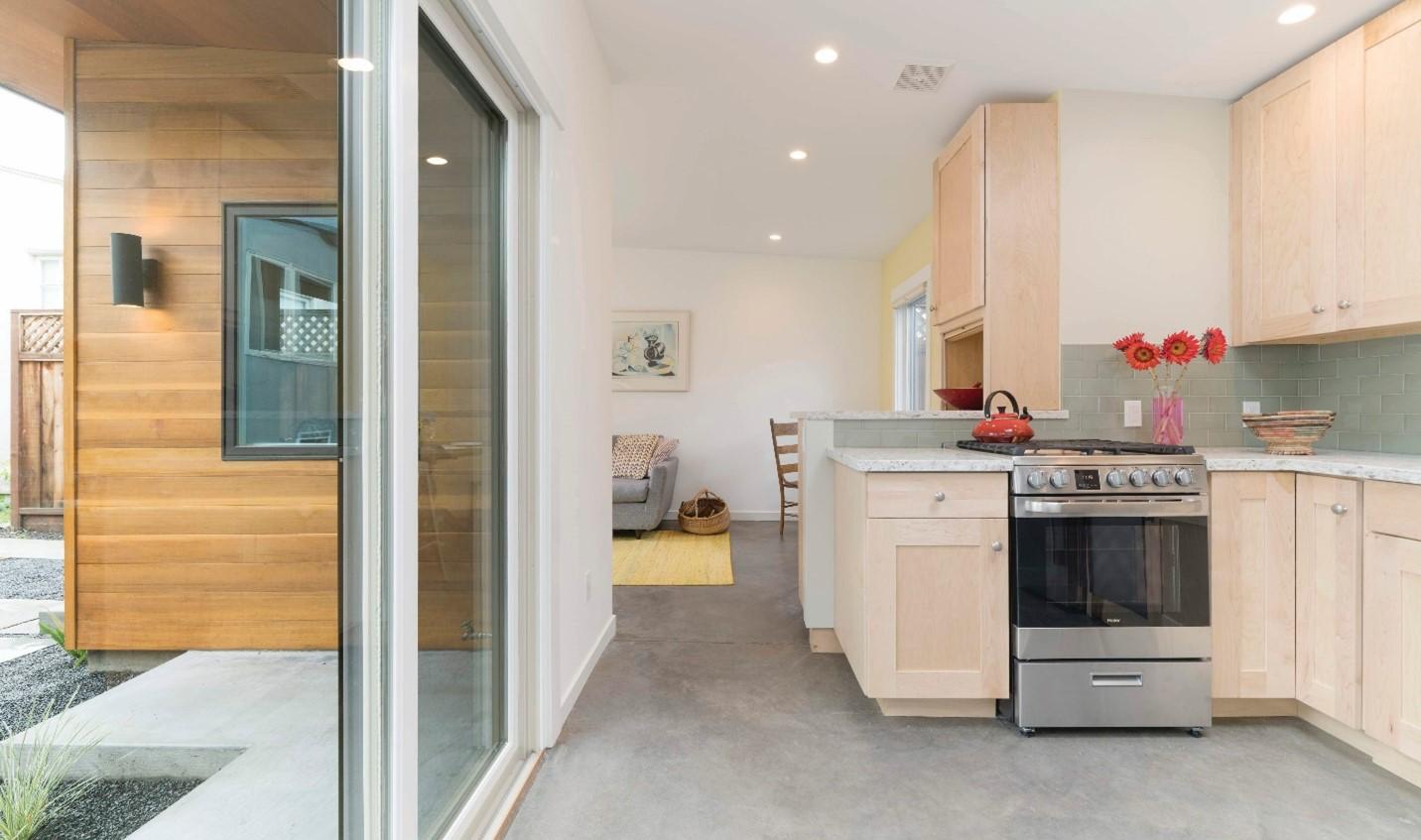 Photograph by Jason Robertson
Overview
The ADU Legalization Program, per AB2533 helps residents legalize and improve the safety of unpermitted accessory dwelling units (ADUs) or junior ADUs (JADUs) built before January 1, 2020. Under this Assembly Bill, local agencies cannot deny a permit for such units unless they determine that corrections are needed to address conditions that make the building substandard.
Program Eligibility Qualifications
- For active code enforcement cases, please contact us for more information before moving to Step 2 below.
Legalization Process
| Important: |
|---|
| Environmental Health Services, Fire, and Land Development will still provide a comprehensive plan review as part of the Health & Safety process. |
| The Community Development Agency is making it easier for homeowners to legalize existing Accessory Dwelling Units (ADUs) safely and responsibly. Learn more about the new septic system options |
Before submitting the application, please be advised that as the homeowner, you can obtain a confidential third-party code inspection from a licensed contractor to determine the unit’s existing condition or potential scope of building improvements. You may complete Step1 without providing your name, address, or other identifying information.
Once an applicant proceeds to Step 2 and applies for the permit, an applicant is required to complete the legalization process within one year from the date of permit application. If an applicant is unable to do so, the application information will be forwarded to the Community Development Agency – Code Enforcement Section for corrective action.
Step 1: Review the Inspection Checklist
Understand what Building & Safety will inspect during the legalization process by reviewing the Inspection Checklist.
Step 2: Prepare Plans & Apply
- Hire a licensed design professional to create construction drawings.
- Submit the following:
- Email completed Application to Legalization Existing (ADU/JADU) Form and Acknowledgement Form
- Building & Safety will email you a link to upload your drawings. Upload the following:
- Required drawings (all should include: the site address, APN, and a title block):
- Site Plan: property lines, setbacks, structures, driveways, flood zones
- Floor Plan: all rooms labeled with dimensions
- Elevations: building height, grade information, fences
- Required drawings (all should include: the site address, APN, and a title block):
Note: Additional flood zone requirements may apply for units in FEMA Special Flood Hazard Areas.
Step 3: Schedule Inspection
After your permit is issued, schedule your inspection with a Building & Safety Inspector. The inspector will inspect the unit using the Inspection Checklist and review any photos or documentation you provide.
- Any health or safety violations must be corrected.
- Additional permits for corrections may be required.
Step 4: Final Approval
After passing the inspection, you’ll receive a Letter of Legalization (not a Certificate of Occupancy).