

Charging basics
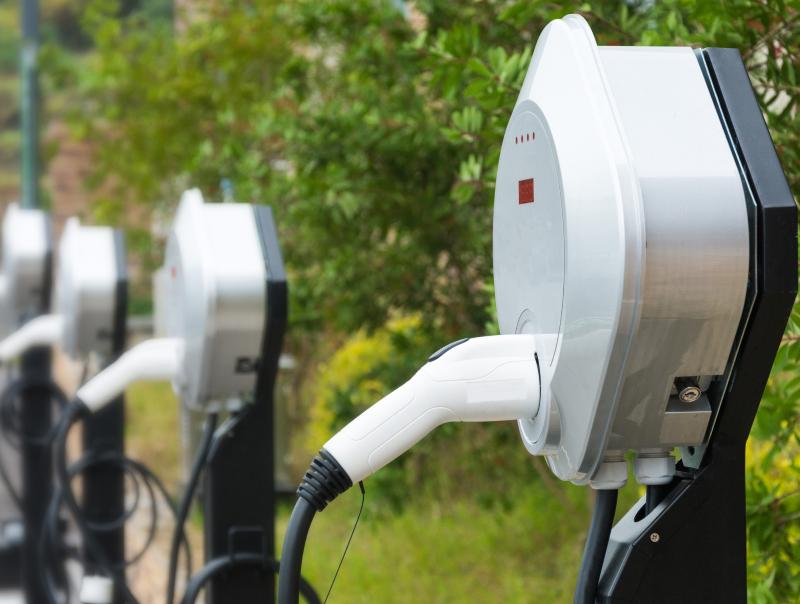
EVs require a power source to charge the battery, just like a mobile phone. It's important to understand if you will have access to charging at home or around town. The great news is, EVs can be charged in a variety of ways and locations. This guide provides an overview of how to charge your EV at home or on the road. It also explains how EV charging affects the electrical grid.
Charging levels
There are 3 levels of EV charging:
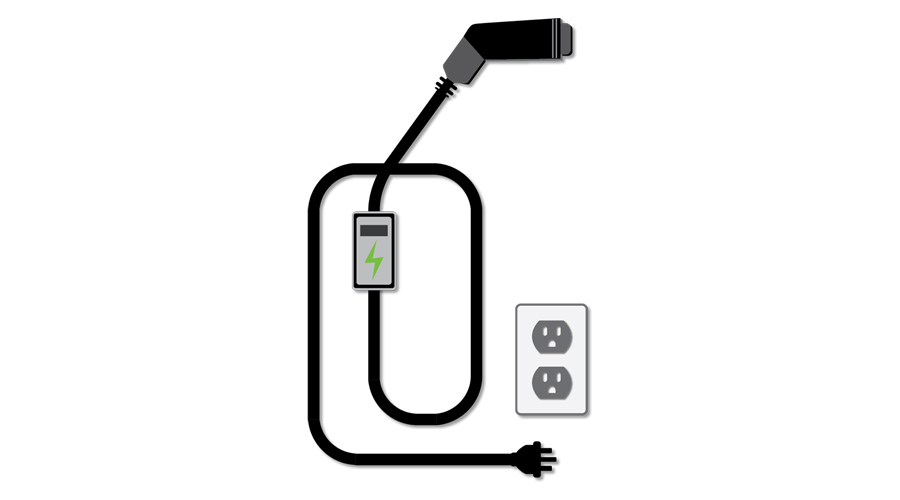
Level 1 Charger
- Plugs into standard wall outlet
- Provides 4-5 mile charge per hour
- Cord comes standard with the vehicle
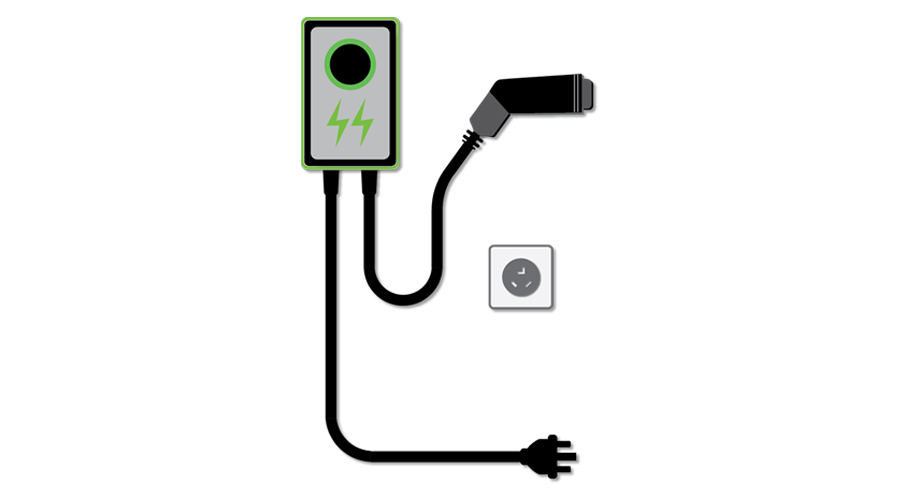
Level 2 Charger
- Installation requires a 240V outlet
- Up to 25 mile charge per hour
- At home or around town
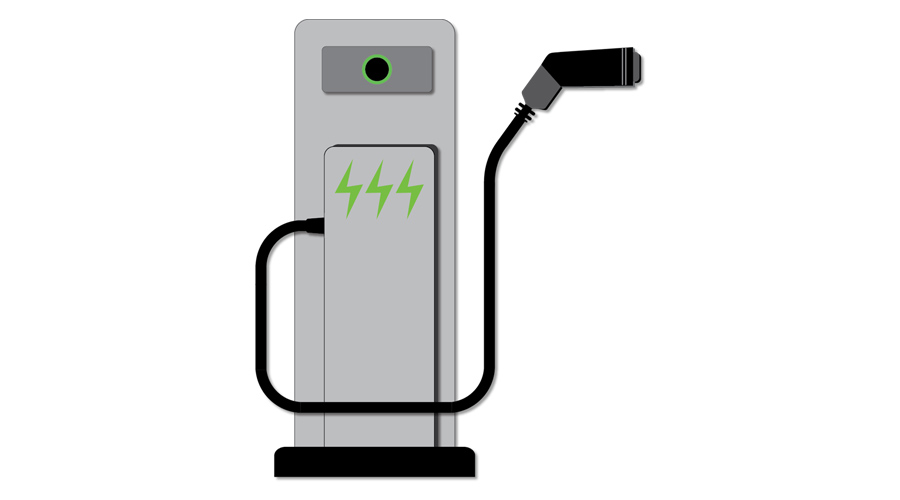
DC Fast Charger
- Requires commercial installation
- Up to an 80% charge of car range in about 30 min
- Public locations, often along highways and main thoroughfares
Charging my EV is almost like charging my phone. I don’t have a charger at home, I just charge whenever I need to get groceries. There are no obstacles in public charging. I commute to Sacramento and I’m saving myself almost $1,000 a month in fuel costs alone.” - Aimee Velasquez, Canal Alliance, Legal Assistant Advocate
Using electric transportation like EVs and e-bikes can help you save money and is good for the environment. Compare different charger models and learn how much you can save with our incentive finder tool can help you learn how much you can save.

Charging at home
- If you live in a multi-family or multi-unit dwelling, at-home charging is still an option. Learn more about Multi-Family EV Charging Installation.
- Charge your vehicle while you sleep, during off-peak hours. Save even more with MCE Sync, MCE’s EV Smart Charging App.
- Both Level 1 and Level 2 charging can be done at home:
- Level 1 charging needs only a standard wall outlet and the cord provided with the vehicle.
- Level 2 charging at home requires a 240V outlet, like a large appliance uses. Consult a licensed electrician for installation. They will assess your electrical system and determine the cost.
- EVs can be charged outside. A garage or indoor parking is not required.
- Safety considerations:
- Do not use extension cords or plug in a second appliance to the same outlet while your EV is charging.
- Keep charging cord clear of walkways and do not drape cord over your vehicle.
- Consult a licensed electrician.
- You’ll want to determine all the incentive, tax credit, and rebate options available. Many of these funding sources are stackable, providing even more savings. Use our Incentives Calculator to learn the potential amount available to you.
Charging on the go
- Driving habits will affect your range. Visit the EV page to learn more tips for increasing range.
- Guidelines for responsible and courteous charging:
- Be mindful of the time you spend at a charging station. Allow others to use the station once your vehicle's charge is complete.
- Observe posted time limits.
- Only park in an EV charging spot if you're actively charging your vehicle.
- Don't block access to nearby charging stations with personal belongings or your vehicle.
- If you only need a partial charge, consider using the slower charger.
- Familiarize yourself with charging options along your route before you hit the road. Most EVs come with navigation to help find charging stations. A few additional charging station networks and location apps include:
Set a charging schedule
Anywhere your vehicle is parked for a long period of time.
- Consider opportunities to charge at work, around town, or at home.
- For day-to-day charging, it is recommended to only charge to 80% to maintain battery health.
- Only charge to 100% before a long trip or a scheduled power shutdown.
- Use the car's programmable charging timer to charge during off-peak hours (after 10 p.m.) or during peak solar generation hours (11 a.m. to 4 p.m.).
- Observe how often you regularly need to charge your EV - is it daily or weekly?
Charging costs
EV charging costs are similar to the way you pay for electricity in your home, even while on the road. You will pay per kWh (kilowatt-hour) of energy used while charging your EV. Charging station providers may offer different pricing structures. These can include:
-
Per kWh or per hour Pricing:
Most public charging stations charge a fixed rate per kWh of electricity consumed. The cost per kWh can vary depending on the location and provider. Several Marin County jurisdictions bill by the hour regardless of kWh consumed. -
Subscription Services:
Some charging networks offer subscription plans. You pay a monthly fee for access to their charging network. In return, you receive discounted or free charging. -
Session Fee Plus kWh:
Some charging stations have a combination of a flat session fee and charge per kWh charge. This means you pay for the time your vehicle is charging and the energy consumed. -
Mobile Apps and Payment:
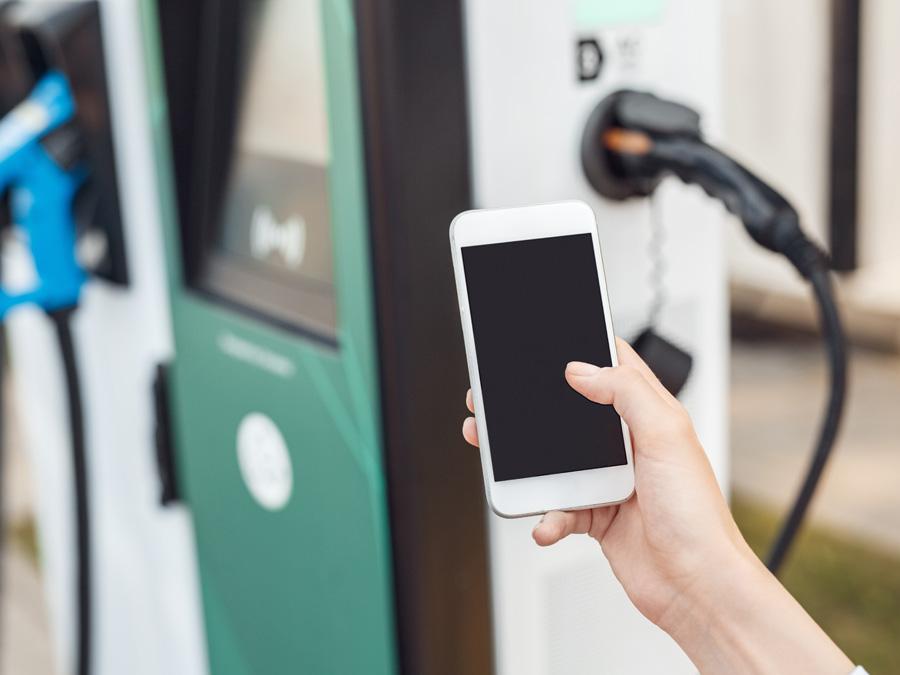
Many charging stations allow you to make payments through mobile apps. This option makes it convenient to find, access, and pay for charging.
Bidirectional charging
Bidirectional charging, or two-way charging, allows battery energy to flow in two directions. An EV usually draws electricity from the grid when needed to charge. But, some EVs can also deliver energy to the grid or other devices outside the vehicle (such as a small appliance). Visit the bidirectional charging webpage to learn more.