
Body of News Release
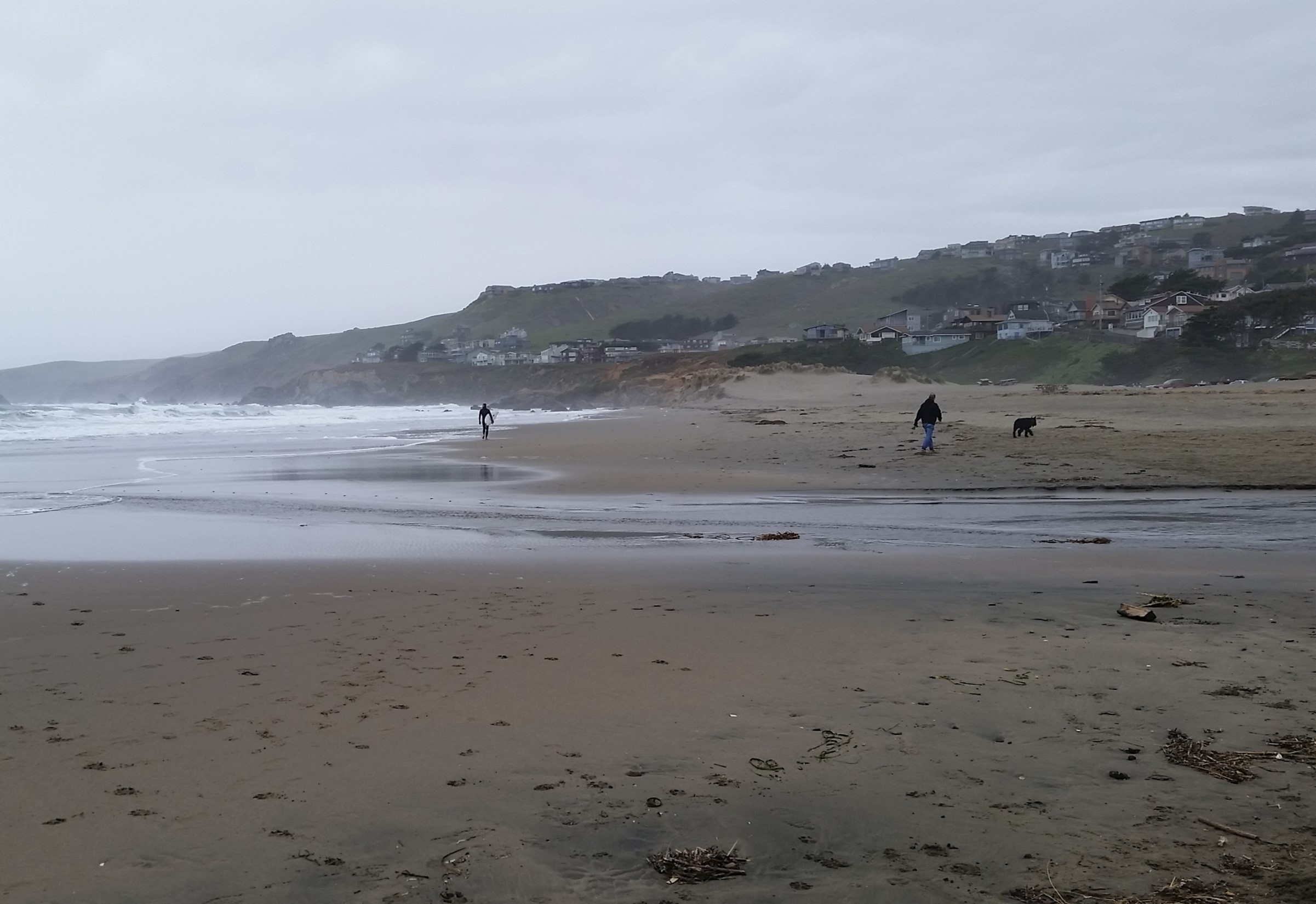
San Rafael, CA – Water quality was excellent last summer at all Marin County beaches according to a new report from Heal the Bay. The annual report rates water quality at beaches along the U.S. West Coast.
In its annual reports, Heal the Bay examines three main periods: summer dry, winter dry, and wet weather. Marin participates only in summer dry and wet weather monitoring from April through October each year. The summer day grades at the Marin County beaches were exemplary for a sixth straight year, with 96% of beaches receiving A grades. The grades came from sampling 26 beach sites over 31 weeks in a period ending in October 2023.
Marin’s water quality monitoring program, overseen by the Marin County Community Development Agency’s Environmental Health Services Division (EHS), gathered data from April 2023 through October 2023 from 26 bayside and oceanside monitoring locations. Twenty-four are marine beaches, and two are fresh water recreational sites. The beaches are managed by a variety of agencies.
Marin County also received 29 inches of rain during Heal the Bay’s report period, which is 40% above the historical average of 21 inches. However, most of the rain fell during the winter months of November 2023 through March 2024, when the beaches are not monitored, so impact on water quality is unknown. Rain alleviates drought conditions, but it also results in more pollutants, including bacteria, being flushed into streams, the bay, and the ocean. Pushed by rainwater, contaminants flow from streets in the form of trash, fertilizer, pet waste, metals, and automotive fluids.
Marin County experienced multiple sewage spills during Heal the Bay’s 2023-24 observation period, resulting in approximately 15,000 gallons of wastewater reaching surface waters, according to the California Environmental Protection Agency website. The spills in question, falling under the jurisdiction of various sanitation districts, have been diligently addressed by the responsible authorities. The spills were promptly reported, and appropriate measures were taken to mitigate any potential impact on the environment and public health. It is important to note that these incidents did not affect any recreational beaches within the area.
Heal the Bay, based in Santa Monica, has analyzed water quality data in California beaches each year since 1991. The Beach Report Card is funded by grants from the Surf Industry Manufacturers Association, Sony Pictures, and the Grousbeck Family Foundation. See all past reports at HealtheBay.org.
Marin EHS has monitored ocean, bay, and freshwater sites since 2003 and posts sample results weekly. The samples are processed by the Napa-Solano-Yolo-Marin County Public Health Lab. The tests quantify the most probable number (MPN) of total coliform, E. coli, and enterococcus bacteria present in each water sample.
An advisory sign is posted to alert the public if lab results indicate water samples exceed the State of California standards for recreational waters. The California Department of Public Health advises beach users to avoid contact with recreational waters where advisory signs are posted. People in contact with elevated bacteria levels in recreational waters may become ill.
Heal the Bay recommends beach users never swim within 100 yards on either side of a flowing storm drain, creek, or river in any coastal waters during a rainstorm, and to stay out of the water for at least three days after a storm has ended.
Learn more about the testing program on the webpage.