Body of News Release
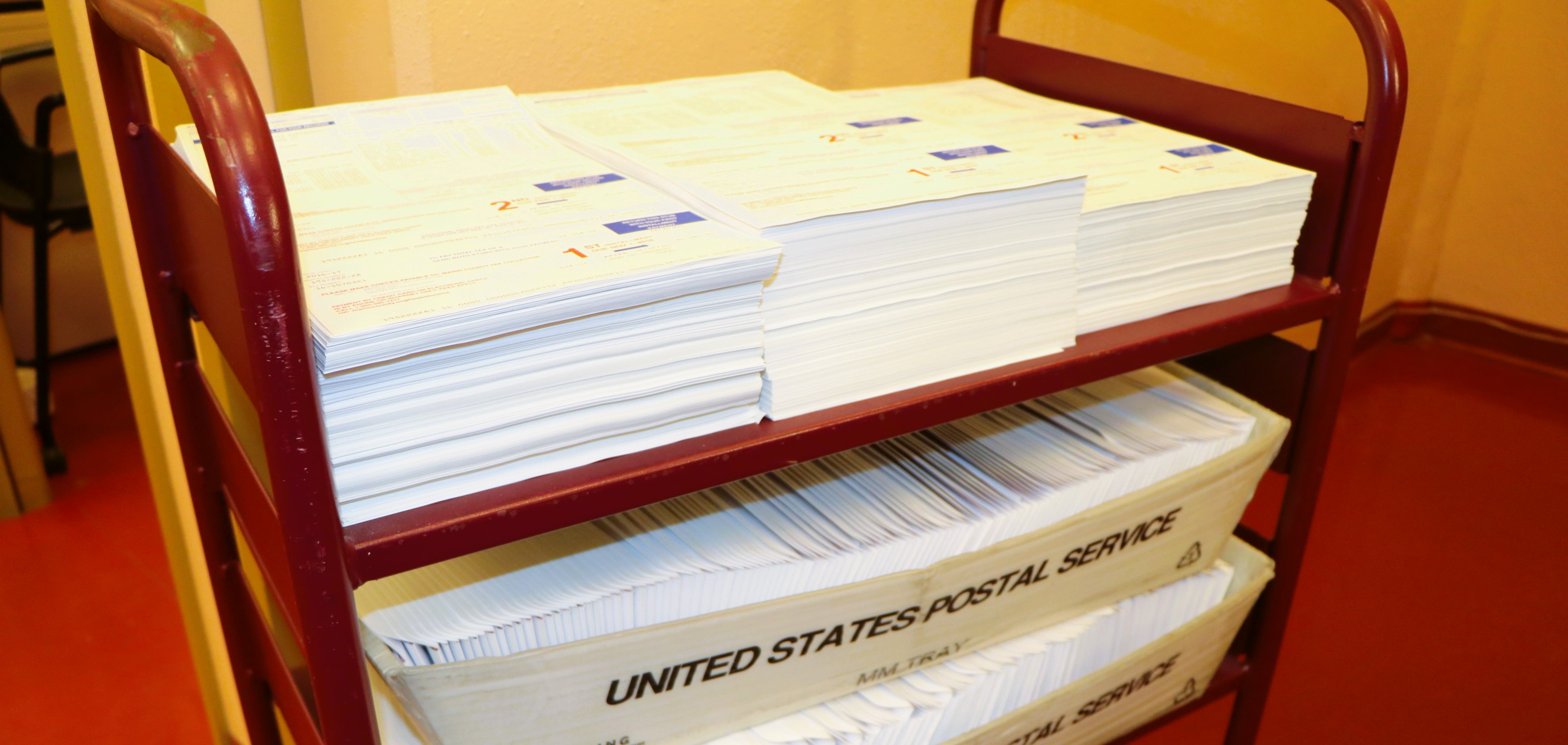
Marin County, CA – Keep a close eye on that mailbox, property owners. The Marin County Tax Collector mailed 91,194 secured annual property tax bills for fiscal year 2026-27, and they have a new look.
The County of Marin redesigned its secured property tax bill to make information easier to read, navigate, and locate. The refreshed bill features an updated format, font, and layout, with accessibility considerations incorporated to better support taxpayers as they review their bills and make payments.
A new QR code provides convenient access to the Tax Collector’s website for online payments and additional information. The Tax Collector’s website also includes a guide to the new layout to help taxpayers navigate the new bill layout.
The bills represent approximately $1.6 billion in property taxes, voter-approved debt, parcel taxes, and special assessments. The total tax roll increased 3.62% from the prior year.
Property taxes may be paid in two installments or together in a single payment. The first installment is due November 1 and must be paid by 5 PM Thursday, December 10, to avoid a late penalty. Online payments may be made until 11:59 PM. The second installment is due February 1, 2027, and must be paid by Monday April 12, 2027, to avoid a penalty because the regular April 10 deadline falls on a Saturday.
For online payments, a new validation feature helps identify potential payment issues before an e-check is submitted. It reduces rejected or invalid payments and creates a smoother online payment experience.
“The online portal provides property owners with a quick and secure way to view their bill and make a payment,” said Marin County Director of Finance Mina Martinovich. “Electronic check payments are free, and taxpayers receive immediate confirmation that their payment has been submitted.”
Bills may be viewed and paid at www.marincounty.gov/taxbillonline using the assessor parcel number. Payments may also be made by phone at 1-800-985-7277 using the bill number. Credit and debit card payments are subject to a 2.35% third-party service fee; the County does not receive any portion of the fee.
Payments may also be mailed or made in person. Taxpayers paying by mail should send payments early enough to receive a timely postmark. Because the U.S. Postal Service may postmark mail when it reaches a processing facility rather than when it is dropped off, taxpayers mailing a payment close to the deadline should request a manual postmark at a postal counter.
Property owners who have not received a bill by mid-October - particularly recent homebuyers – should contact the Tax Collector’s Office. Bills may also be viewed and printed online. Failure to receive a mailed bill does not relieve a property owner of the responsibility to pay it on time.
The Tax Collector’s Office is in Suite 202 of the Marin County Civic Center, 3501 Civic Center Drive, San Rafael. Office hours are 9 AM to 4:30 PM weekdays. Those visiting the office should park near the Civic Center’s South Arch entrance on Peter Behr Drive and take the stairs, elevator, or escalator up one floor, then follow signs to Suite 202. There is plenty of two-hour parking available. Questions about tax bills or payments may be directed to 415-473-6133.
Questions about assessed property values should be directed to the County Assessor at 415-473-7215.
Exemptions and Property Tax Postponement
Some taxing agencies offer parcel tax exemptions based on age, income, residency, or other eligibility requirements. Requirements and application deadlines vary by agency. Property owners can identify potential exemptions and find agency contact information through the County’s property tax exemption webpage. California law does not allow exemptions from voter-approved school bond taxes.
The State Controller's Property Tax Postponement Program allows qualifying homeowners who are seniors, blind, or have a disability to defer current year property taxes on their principal residence. Applications for the 2026-27 program will be accepted from October 1, 2026, through February 10, 2027. Eligibility requirements and applications are available on the State Controller’s website, or by calling 1-800-952-5661.