

Body of News Release
Marin County, CA – Land use and housing rules in Marin County’s Pacific coastal zone are in line for updates this year, and an overview of the proposed changes are detailed on the County’s website.
Staff members from the Marin County Community Development Agency (CDA) will keep coastal residents and stakeholder groups apprised through upcoming community webinars, meetings, and webpage updates over the next several months regarding potential housing and development-related changes to the County’s Local Coastal Program (LCP). The CDA staff is recommending a focused set of amendments to implement the County’s Housing Element updates approved in 2023, including updated land-use plans, zoning requirements, and implementing design requirements specific to the coastal area.
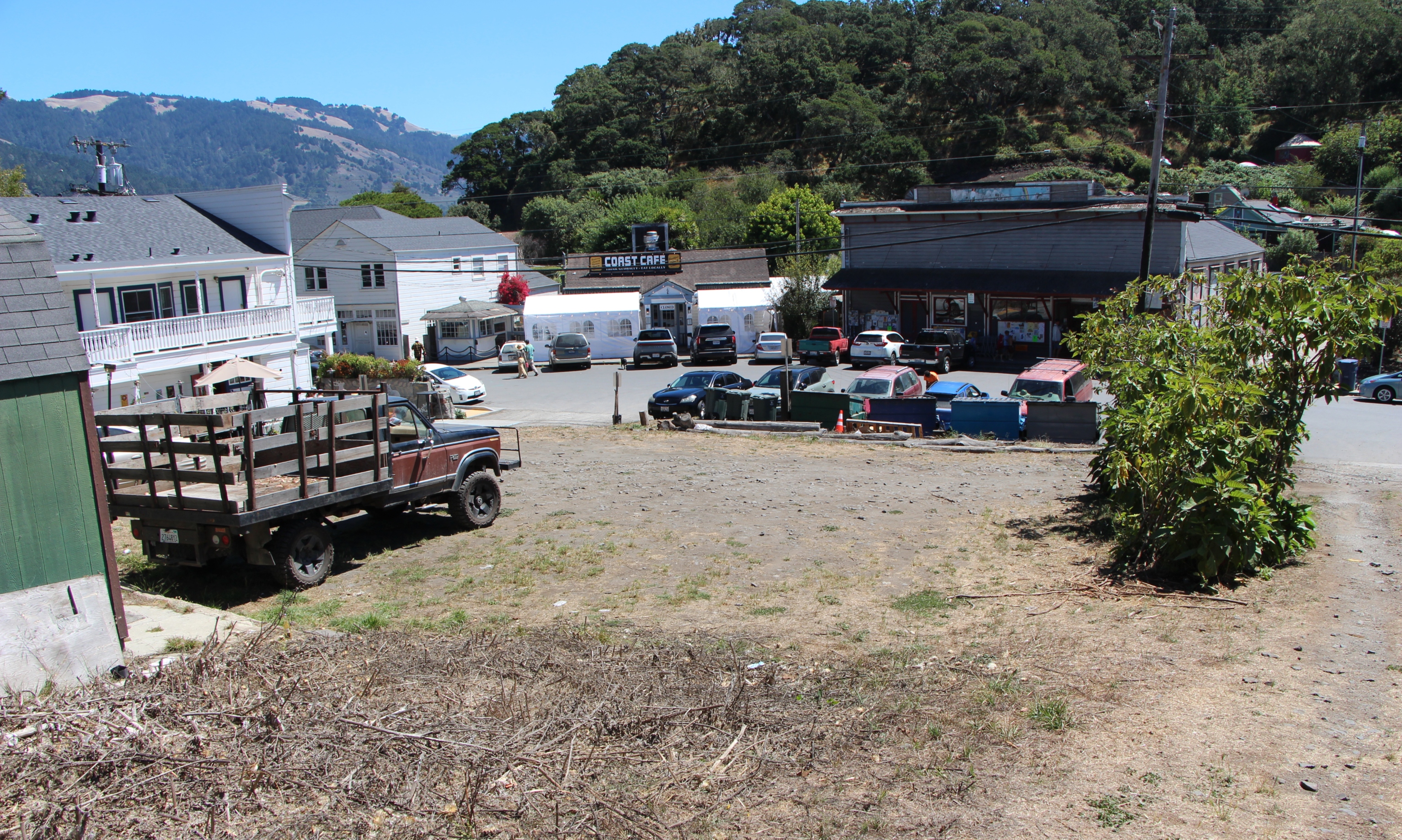
The Coastal Zone, affected by the California Coastal Act of 1976, is defined as the area generally located between the first coastal ridgeline and a point 3 miles past the line of mean high tide. Those affected by Marin LCP rules live in various coastal communities: Muir Beach, Stinson Beach, and Bolinas in the southern part of Marin’s Pacific Coast; and Olema, Point Reyes Station, Inverness, Marshall, Tomales, Dillon Beach, and the surrounding area on the northern section of the coast. Those living on federal property – notably the Point Reyes National Seashore and the Golden Gate National Recreation Area – are not subject to LCP regulations.
As mandated by state housing laws, the proposed amendments to the LCP are essential for implementing the 2023 Housing Element Update and recent state housing laws affecting the coastal areas of unincorporated Marin. The LCP, along with the associated amendments to the Coastal Zoning Code, must undergo a thorough review and receive approval from both the local Board of Supervisors and the Coastal Commission, which oversees development along the coast. These specific amendments are required to ensure compliance with state regulations and do not deviate from the previously approved and certified 2023 Housing Element. They primarily affect the creation of new housing (multi-unit or subdivisions) with minimal effect on single-family dwellings. However, some minor changes would incorporate state mandates for accessory dwelling units (ADUs) and junior ADUs.
The proposed changes will synchronize policies with relatively recent state laws, add transparency and streamlining to the permitting processes, and simplify complex zoning language. The proposed amendments will be introduced to the Planning Commission this summer, followed by consideration by the Board of Supervisors this fall. Anyone may sign up to receive emailed notifications about the LCP amendments.
The LCP ensures that the County’s land use plans, zoning ordinances, zoning maps, and implementation actions within the Coastal areas are consistent with the California Coastal Act. The LCP amendments would integrate housing-related state law with the Marin Countywide Plan and its long-term housing policies. The County must respond to state housing mandates in a timely manner to avoid penalties while ensuring community planning is localized whenever possible.
Marin’s LCP, which dates back more than 40 years, is the key document used by the County to manage conservation, beach access, and development in West Marin’s coastal zone. The amendments reflect evolving state housing law and compliance with the Marin County Housing Element as updated in 2023.
CDA staff will brief interested parties with presentations at in-person town halls and virtual meetings with homeowners association, nonprofits, and local governing bodies. CDA will consider feedback and introduce the amendments during public workshops and hearings with the Planning Commission (tentatively in August) and Board of Supervisors (tentatively in October).
All LCP amendments must be approved by the Board and the California Coastal Commission. If the Coastal Commission does not initially certify the amendments, County staff would continue to refine updates as recommended and resubmit. CDA’s goal is a collaborative, balanced approach that meets legal requirements and community needs.
# # #
For disability accommodations, please phone (415) 473-4381 (voice), CA Relay 711, or e-mail the Community Development Agency at least five business days in advance of the event. The County will do its best to fulfill requests received with less than five business days’ notice. Copies of documents are available in alternative formats, upon request.