

Need to know
Follow this quick guide to get EV charging installed at your home.
What to do
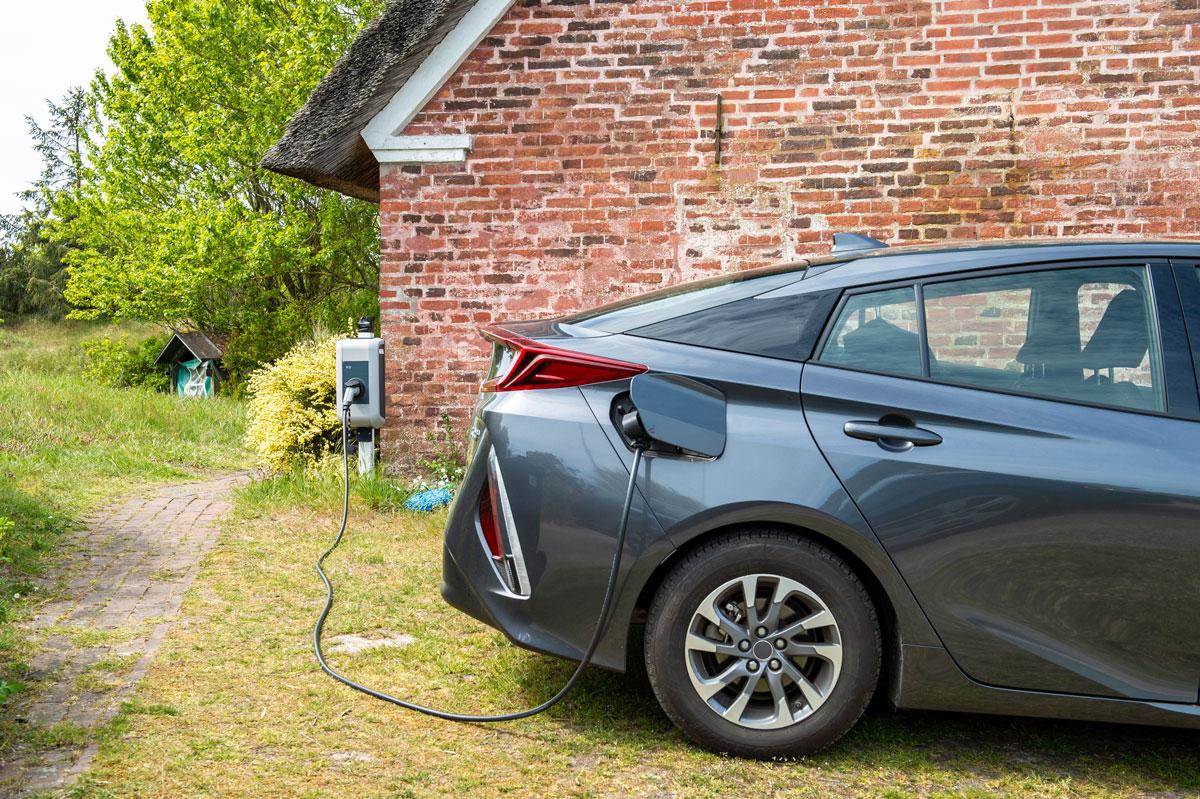
1. Evaluate home charging options
Review a comparison of a Level 1 and Level 2 chargers. A Level 2 charger will charge the vehicle up to 5 times faster than Level 1. Costs for Level 2 chargers start around $500 - $700. Level 2 charging will need professional installation if an existing 240V outlet isn't available. Consult with a certified electrician to determine requirements such as a dedicated circuit and appropriate amperage. The type of charger needed will depend on your charging needs and habits.
2. Determine charging needs
Determine the charging level that suits your driving needs:
-
Do you have access to charging at work?
- Yes - consider Level 1 charging at home with your standard 110v outlet
- No - the questions below will help to determine if you need a Level 2 charger at home
-
How many miles do you drive each day?
-
1-50 miles - consider a Level 1 charger
-
51+ miles - consider a Level 2 charger
-
-
Do you need 100-200 miles of range in a single charge?
-
No - consider a Level 1 charger
-
Yes - consider a Level 2 charger
-
-
Are you able to charge the vehicle for at least 7 hours each evening?
- Either a Level 1 or Level 2 charger will work for you
3. Research available home charging options
Once you have determined the best charging for your needs, use a resource like our home charger comparison tool to find a charger. Is it compatible with your EV's plug type? Does it offer the charging speed you need? Will the amperage of the charger work with your home’s existing electrical system? Don't forget to check for available incentives and manufacturer offers.
4. Identify a qualified electrician to complete your project
Whether you’re installing a Level 2 charger or planning on using Level 1, you’ll want to consult a certified electrician. For Level 1, they can provide peace of mind that your current outlet can handle the load. For Level 2, they can advise on the electrical requirements needed. It's important to see your home as a complete electrical system. This is necessary for a safe and compliant installation.
Information to Share with Your Electrician:
- The type of charger you want to install.
- Where the vehicle will be parked.
- Planned location of the charging station.
5. Complete an electrical assessment of your home
Key Questions to Discuss with Your Electrician:
- Are any upgrades needed to the electrical panel?
- What permits and inspections might be required?
- What will the cost be for installation?
- What is the projected timeline of the project?
6. Install charging and apply for incentives
With all the planning done, it's time to install your charger and apply for incentives!
Use our incentives calculator to find the tax credits and rebates you're eligible for.