We keep our community up to date on county and District 4 policy issues, upcoming community conversations, events, meetings, openings in boards and commissions, and more in our electronic email newsletter.
What’s Happening in District 4 – Get the Latest Updates
Read Past Newsletters, Editorials, and Legislative Letters by Supervisor Rodoni
Editorials
- Statement: Technology, Privacy, and Public Safety, October 2, 2026
- Commitment to Supporting Marin's Immigrant Community, June 23, 2026
- Local partnerships guide county response, December 10, 2025
- Marin Voice: Collaboration has been key for Oak Hill housing initiative, December 7, 2025
- Statement: Standing with Marin’s Immigrant Communities - Unidos con las Comunidades Inmigrantes de Marin, October 24, 2025
- Marin Voice: Elected officials urge support for educator, workforce housing plan, March 12, 2025
- Statement Regarding the Point Reyes National Seashore Settlement Agreement and Revised Record of Decision, January 25, 2025
- Marin Voice: County fair a representation of Marin’s community values, July 3, 2024
- Marin Voice, Short-term rental regulations help balance needs of community, visitors, December 24, 2023
- Marin Voice: Supervisor details next steps for county's Housing Element Plan, February 14, 2023
- Marin Voice: Supervisor supports conservation, growth amid water shortage, August 1, 2021
- Marin Voice: Excellent emergency response inspires further preparation, March 22, 2021
- Marin Voice: In the face of wildfire threats, new microgrids make sense, August 23, 2020
- Marin Voice: County Will Benefit From an Accurate and Fair Census Count in 2020, July 12, 2019
- Marin Voice: Huffman’s Point Reyes Bill Protects Ranches, Environment, October 28, 2018
- Marin Voice: Preparing for Emergencies With the Help of Micro-grids, July 5, 2018
- Marin Voice: The Return of the San Geronimo Golf, and Plans for the Future, April 12, 2018
- Marin Voice: Marin’s Community Dialogue on Fire Safety, March 2, 2018
- Marin Voice: Bridging the Digital Divide in Marin. August 4, 2017
- Marin Voice: Park Lawsuit Settlement - Good for Ranchers and the Environment, July 26, 2017
- West Marin’s Visitation Impacts: Transient Occupancy Tax Proposal, January 11, 2018
Media Highlights
- Marin leaders push against Trump offshore drilling plan, Marin Independent Journal, August 8, 2026
“Given this administration’s comments, anything is possible, and this is the start to weakening our state and local controls,” said Marin County Supervisor Dennis Rodoni, who plans to attend a hearing on Monday in Santa Monica. “Representing almost the entire Marin coast, and being an alternate coastal commissioner, amplifies my comments, and my in-person appearance demonstrates our commitment to defend our coast, as we did in the 70s, 80s and 90s,” he said.
- Marin weighs in against ICE lockup in the Bay Area, Marin Independent Journal, June 28, 2026
Responding to activists who addressed the supervisors, Supervisor Dennis Rodoni said, “I believe it is our responsibility to carefully evaluate what actions will have the greatest impact and the fewest unintended consequences for the people we’re trying to protect...Our responsibility is not only to listen to the advocates and organizations,” Rodoni said, “but also to the immigrant families, workers, students and community members whose lives are impacted every day by federal immigration policy.”
- Editorial: Let’s see safeguards before approving Marin law enforcement tech, Marin Independent Journal, Editorial Board, May 30, 2026
Marin County Supervisor Dennis Rodoni was right in his request that a contract be pulled from the board’s routine matters listed on its agenda’s “Consent Calendar” for deeper review. The concern raised by Rodoni and other board members is over a $1.5 million contract with Peregrine Technologies for use of its high-tech criminal investigation network, its use of artificial intelligence and the spread of information about local residents.
- Marin supervisors leery of law enforcement data sharing contract, Marin Independent Journal, May 23, 2026
Supervisor Dennis Rodoni expressed concern about the contractor, Peregrine Technologies, and asked that the $1.5M contract be pulled off the consent calendar Tuesday to allow further discussion and public engagement.
- Marin County backs coalition opposing new offshore drilling along California coast - Local News Matters, May 19, 2026
- Marin Co: Federal Funds Aim To Sustain Marin-Sonoma Milkshed, May 18, 2026
Point Reyes National Seashore Settlement: Community Partnership Response Efforts
- Strengthening economic vitality in West Marin - Point Reyes Light, June 3, 2026
- A hub of community support - Point Reyes Light, April 23, 2026
- Building community: A collaborative approach to a crisis - Point Reyes Light, March 4, 2026
- How we’re coming together for housing solutions - Point Reyes Light, February 18, 2026
- Neighbors for Neighbors: A response to displacement - Point Reyes Light, February 11, 2026
- Why the future of farming matters now more than ever - Point Reyes Light, January 21, 2026
- Our working lands: Agriculture’s place in Marin’s future - Point Reyes Light, January 7, 2026
- Local partnerships guide county response, December 10, 2025
Legislative Plan
Annually, the Board of Supervisors adopts a legislative plan that outlines the County's priorities and positions on state and federal legislative policy; and provides direction to County staff responding to emerging legislative issues throughout the year.
Board of Supervisors: Legislative Letters
Letters of support or opposition on behalf of the Board of Supervisors that are in alignment with the legislative platform or approved at Board of Supervisors meeting for submission.
2026 Highlighted Board of Supervisors Letters:
- Jan 22 Comments on 11th National OCS Oil and Gas Leasing Program - Opposition
- Jan 23 Marin, Napa, Sonoma, Humboldt Comments on CPUC Rulemaking R.24-06-012 – Carrier of Last Resort Modernization
- April 10 Support for AB 2501 (Wicks): Public resources: Coastal Resilience Permitting Working Group
- April 10 Support for SB 1138 (Padilla): Load-serving entities: resource adequacy requirements
- May 29 Support for AB 2279 (Gipson): Regional Broadband Consortia Grant Account
2025 Letters:
- Oppose, AB470, Marin, Napa, Humboldt, August 2025
- Support, SB346, Short-Term Rental Facilitator Act, August 2025
- Oppose, SB601 (Allen), Water: waste discharge, June 30, 2025
- Support, SB287, California Trails Conservancy Program, May 2025
- Oppose, AB 470, Telephone corporations: carriers of last resort, March 2025
- Oppose, AT&T Application for Relief of Carrier of Last Resort Obligation, March 2025
- Support, Marin Water’s Five-Year Strategic Plan (2024-2028), Marin-Sonoma Water Pipeline, March 2025
- Support, AB 419, Educational equity: immigration enforcement, March 2025
- Support. $25 million for immigration-related legal services, January 2025
2024 Letters
- Support letter SB 1060 Wildfire Insurance, April 2024
- Support letter to Coastal Commission for short-term rental policies, April 2024
- Oppose letter AB 2528 Williamson Act contracts: cancellation: energy projects, May 2024
- Sign-on Support letter for SB 1053 and AB 2236 plastic bag ban, May 2024
- $10M Support Letter for Future of North Bay Agriculture in Governor’s Budget Proposal, November 2024
- Comment for October 22-24 National Organic Standards Board (NOSB), September 2024
Legislative Letters from Supervisor Rodoni
Position and statement letters of importance to District 4 that are not included in the Legislative platform or approved by the entire Board of Supervisors.
- AB 2560 (Alvarez) Density Bonus Law: California Coastal Act of 1976 – Feedback letter, June 13, 2024
- California Coastal Commission, Lagunitas Creek (Green) Bridge, November 7 , 2024
- Scoping comments on the US 101/I-580 Multi-Modal and Local Access Improvement Project | Marin County, November 19, 2024
- February 2024: Storm Updates & Resources
English & Spanish
- March 2024: Your Vote, Your Voice!
English & Spanish
- April 2024: San Geronimo Commons, Short-Term Rentals & Events
English | Spanish
- July 2024: Boards and Commission Openings, Budget, Development Code Amendments, Summer Roadwork and Bus Routes
English | Spanish
- October 2024: Health Fairs, Revision to Housing Element, Mobile Library in West Marin, Countywide Transportation Plan 2050, Vote!
English | Spanish
- November 2024: Gratitude and Community, Help Shape Housing Solutions, Short Term Rentals Applications Open Dec 2nd, Local Coastal Plan Amendments, Prime Time to Prepare for Winter Storms
English | Spanish
- December 2024: Winter Greetings: New Year Goals and Collaborative Connections: Swearing In New Year, County Services Closer to Home, San Geronimo Valley Fire Charter, Emergency Preparedness
English | Spanish
- January District 4 Newsletter, January 13, 2023
- Marin Voice: Supervisor details next steps for county's Housing Element Plan, February 14, 2023
- Spring 2023 District 4 Newsletter, March 24, 2023
- Summer 2023 District 4 Newsletter, August 25, 2023
- Fall 2023 District 4 Newsletter, October 31, 2023
- Winter 2023 District 4 Newsletter, December 19, 2023
- Marin Voice, Short-term rental regulations help balance needs of community, visitors, December 24, 2023
- Supervisor Rodoni's Reflections, December 20, 2022
- Stone Soup: A message from Supervisor Rodoni, Autumn 2022
- Summer Newsletter, August 9, 2022
- Actualización de año nuevo [PDF]
- September Community Updates and Events, September 10, 2021
- March District 4 News Update, March 5, 2021
- Vaccine Questions Answered, January 14, 2021
- Sir Francis Drake Boulevard Potential Renaming, January 8, 2021
- Happy New Year, January 14, 2021
- Happy Holidays!, December 17, 2020
- August District 4 update: Woodward Fire, August 25, 2020
- Session on Drake Boulevard History, August 6, 2020
- July District 4 Response to Sheriff's Update, July 25, 2020
- June District 4 update: Sir Francis Drake Listening Session & Changes to SIP Order, June 24, 2020
- May District 4 update: Marin Recovers, May 5, 2020
- Springtime Message, April 24, 2020
- Covid-19 update: Stay-at-Home and Parks Closure Orders, March 31, 2020
- March 26 District 4 update, March 26, 2020
- Covid-19 March 24 update, March 24, 2020
- March District 4 Census update, March 18, 2020
- March 16 District 4 Covid-19 update, March 16, 2020
- March 11 District 4 Covid-19 update, March 11, 2020
- February District 4 update, February 27, 2020
Community Conversation Meeting Notes
District 4 El Niño Coordination & Lucky Drive Community Meeting
August 31, 2026
6:00–7:30 PM
Location: Marin Water District, Board Room
26 community members
Host: Supervisor Dennis Rodoni and Staff
County Staff: Chris Zapata, Assistant County Executive; Jason Weber, Marin County Fire Chief; Steven Torrance, Director, Office of Emergency Management; Chris Blunk, Director, Public Works; Robin Bartlett, Assistant Director, Public Works; and Michael Frost
Overview
Lucky Drive residents joined Supervisor Rodoni and County emergency management, public works, fire, and executive staff for a follow-up conversation focused on flood preparedness, drainage, king tides, emergency alerts, and short- and long-term flood protection. The meeting provided updates on County preparations for the coming winter while giving residents an opportunity to describe recurring flooding and identify where more immediate action and longer-term planning are needed. A central theme was the need to pair stronger emergency preparedness with practical measures that can help protect homes, vehicles, and neighborhood access.
Preparing for El Niño, King Tides & Winter Storms
The Office of Emergency Management (OEM), discussed lessons learned from the January flooding and the importance of preparing for the combination of king tides, winter storms, sea level rise, and runoff from the Mt. Tam watershed. Several upcoming king tides will overlap with the Thanksgiving and Christmas holiday periods, making advance preparation particularly important. The OEM emphasized a One Marin approach, coordinating with the County, Corte Madera, Larkspur, Marin Water, sewer districts, Caltrans, emergency responders, and other partners. Staff explained that preparedness is being organized around what happens before, during, and after an event, with earlier communication and deployment of resources when hazardous conditions are forecast.
AlertMarin & Emergency Information
The County has made several improvements to AlertMarin following feedback from previous flooding events. Residents were encouraged to confirm their enrollment and select the new notification groups that match the level and type of information they want to receive. Alerts can now provide mapping information showing affected locations and are distributed through text, email, and the County emergency portal in English and Spanish. OEM described a planning process beginning approximately 72–96 hours before anticipated hazardous conditions, using information from the National Weather Service and other sources. Proactive messaging may be considered when forecasts show conditions such as seven-foot-plus tides, significant rainfall, or high winds. Residents emphasized that warnings need to explain not only that a king tide is coming, but also what that means for specific neighborhoods and properties. County staff agreed that providing clearer, location-specific information is an important part of improving the system.
Drainage, Sensors & Immediate Flooding Concerns
A significant portion of the meeting focused on the drainage system serving Lucky Drive and surrounding low-lying areas. Residents described drains that function normally until high tides, debris, or other conditions prevent water from flowing out. Several noted that once drains become clogged or tidewater backs into the system, streets can flood rapidly. The Public Works team discussed existing drainage monitoring and the potential to assess whether additional sensors, temporary backflow devices, drainage improvements, or other measures could help. Staff committed to conducting additional site review and ensuring drains are inspected and cleared in preparation for winter. Residents stressed that keeping drains clear is difficult for neighbors to manage themselves, particularly during active flooding and asked the County and neighboring jurisdictions to establish clearer responsibilities for monitoring and maintenance.
Understanding Why Lucky Drive Floods
Public Works walked residents through elevation and LiDAR mapping to illustrate why Lucky Drive is particularly vulnerable. The maps show several portions of the neighborhood at very low elevations, including private properties that can provide pathways for tidal water to enter the broader neighborhood. Staff explained that during sufficiently high tides, gravity drainage becomes ineffective because drainage outlets themselves are affected by elevated water levels. Pumps can help manage rainfall in an otherwise protected area but are less effective when tidal water is actively overtopping or entering through gaps in the surrounding landscape. The discussion highlighted the need to think about Lucky Drive as a connected system. Protecting one property or closing one low point may redirect water elsewhere, meaning solutions need to consider neighborhood-wide elevations, drainage, access, private property, and surrounding infrastructure.
Short-Term Flood Protection
Residents strongly emphasized that alerts alone will not protect their homes and asked what physical measures could be put in place before the coming winter. County staff acknowledged that concern and outlined several immediate preparedness efforts. The County has 11 deployable pumps and is expanding access to sandbags at locations throughout Marin. Staff committed to identifying a convenient sandbag location for the Lucky Drive area and are exploring ways to assist residents who cannot physically transport or place them. Residents noted that traditional sandbags may not be sufficient for tidal flooding. Public Works agreed to expand preparedness information to include other temporary flood barriers, including inflatable systems and other property-protection options. Staff also discussed evaluating strategic gaps where temporary berms or barriers might reduce water entry, while recognizing that work on private property requires cooperation from property owners.
Parking & Protecting Vehicles
Residents described losing vehicles during previous floods and asked for a safe location to move cars before high tides and storms. The possibility of using nearby higher-elevation parking. Because the suggested locations are not County-owned, staff committed to following up with the appropriate property owners and agencies. The discussion reinforced the importance of including vehicle relocation and parking options in future neighborhood preparedness planning.
Private Property & Neighborhood-Wide Protection
One of the most challenging issues discussed was the role of private property in neighborhood flood protection. Residents described situations where low areas or gaps on individual properties may allow water to move into the larger neighborhood and expressed frustration when neighboring owners are unwilling or unable to install protective measures. County staff explained that government has limited authority to perform work directly on private property without permission. County Counsel has been asked to review some of these questions, while Public Works offered to help residents better understand elevation information and potential property-level protection strategies. Residents also asked whether flood-related building permits, including permits for walls, berms, or elevating homes, could be expedited. County leadership committed to following up on specific outstanding permit concerns and examining approaches being used by Corte Madera.
Long-Term Flood Protection & Sea Level Rise
Residents repeatedly asked for a strategy that goes beyond preparing for the next storm. Several referenced historic flood-control studies and earlier proposals for berms, tidal gates, and protection along the Highway 101 and former railroad corridor, asking that these plans be located and reconsidered in light of current sea level rise and subsidence. County staff agreed that Lucky Drive requires both a near-term preparedness plan and a separate long-term resilience conversation. Public Works committed to locating and reviewing historic planning documents and evaluating how previous recommendations relate to current conditions. Staff cautioned that permanent flood protection will require engineering, environmental review, property coordination, funding, and cooperation among multiple jurisdictions. The County's longer-term sea-level rise and climate resilience staff will be invited into future discussions so residents can better understand how Lucky Drive fits within regional adaptation planning.
Storm Patrol & County Response
Public Works described the County's storm patrol operations, which deploy crews to inspect drainage systems and keep water moving during severe weather. Culverts have recently been cleared and will be inspected again before the first major rains. Residents were encouraged to call during an active emergency or flooding event rather than relying solely on email, so problems can be dispatched quickly. FixItMarin can also be used for non-emergency maintenance concerns. The County emphasized that coordination is also underway with schools, hospitals, cities, towns, special districts, law enforcement, and fire agencies so that equipment and personnel can be deployed where they are most needed during an event.
Community Concerns
Residents were appreciative of the County's presence and improvements to emergency communication but consistently emphasized the urgency of physical flood protection. Major concerns raised included recurring sunny-day flooding during king tides, clogged and overwhelmed drainage infrastructure, insufficient protection from sandbags alone, loss of vehicles, uncertainty about safe parking, private properties that may create gaps in neighborhood protection, and frustration with navigating multiple jurisdictions. Several residents expressed concern that Lucky Drive's vulnerability has been known for decades and asked why permanent solutions have not advanced. There was a strong request for County engineers and climate resilience staff to work directly with the neighborhood to identify what can realistically be accomplished now and what a permanent strategy could look like.
Next Steps
- The County committed to continue working with Lucky Drive residents over the coming months.
- Immediate work will focus on drainage inspections and cleaning, identifying nearby sandbag resources, reviewing additional temporary flood barriers, evaluating drainage sensors and potential short-term measures, improving AlertMarin notifications, and clarifying who residents should contact before and during flooding events.
- Public Works will also review existing elevation information and historic flood-management studies, while County leadership will bring long-range climate and sea level rise staff into the next phase of the conversation.
- Follow-up is also needed regarding potential emergency parking, outstanding flood-protection permits, and coordination with private property owners where gaps may affect neighborhood-wide protection.
- Supervisor Rodoni agreed to the community's request for a follow-up meeting, with the goal of continuing the discussion before the highest-risk winter period and reporting back on progress.
Closing Reflection
The meeting reinforced both the urgency of the flooding challenges facing Lucky Drive and the importance of continued partnership between residents and public agencies. Community members were clear that preparedness information is valuable, but they also want tangible action to reduce the amount of water reaching their homes and streets. County staff acknowledged that short-term preparedness and long-term resilience must move forward together. The commitment coming out of the meeting was to continue working directly with the neighborhood, improve coordination across jurisdictions, identify practical measures for the coming winter, and begin a more comprehensive conversation about the future of flood protection for Lucky Drive.
Supervisor Rodoni’s Community Conversation, Central District 4 (Corte Madera, Larkspur, and San Quentin)
May 14, 2026
Location: Corte Madera Town Hall
Attendance: 21 community members (excluding staff and Town representatives)
Guests: Pat Ravasio, Corte Madera Town Council Member; Rebecca Vaughn, Assistant Corte Madera Town Manager, and Rhea Brown Marin County District 4 Commissioner on Aging
Overview
Residents from Corte Madera, Greenbrae, and surrounding Central Marin neighborhoods joined Supervisor Rodoni for a community conversation focused on housing affordability, flooding and sea level rise, transportation, emergency preparedness, and aging infrastructure. The discussion highlighted the growing urgency of climate resilience planning, concerns about housing costs and displacement, and the importance of stronger coordination between County and city governments to address shared regional challenges.
County Overview & Priorities
Supervisor Rodoni opened the meeting with an overview of District 4 and the County’s role in serving both urban and rural communities across Marin. He discussed the differences between County and city responsibilities, emphasizing that while services may be divided between jurisdictions, residents should experience a “no wrong door” approach when seeking help or information.
Rodoni noted that Marin County remains in a strong fiscal position, allowing investments in infrastructure, housing, and community-serving projects such as the proposed intergenerational center in Corte Madera. He also acknowledged the growing affordability crisis in Marin, emphasizing that despite the County’s reputation for wealth, many residents continue to struggle with housing costs, economic insecurity, and the rising cost of living.
The Supervisor’s priorities were outlined:
- Preserving and building affordable and workforce housing
- Supporting small businesses and local workforce development
- Investing in community infrastructure
- Protect the health and safety of our communities
- Advancing environmental stewardship and climate resilience
- Making local government more accessible and responsive
Rodoni emphasized that policymaking must reflect input from a broad cross-section of the community, not just the loudest voices.
Housing & Affordability
A significant portion of the discussion focused on Marin’s housing crisis, affordability, and workforce housing needs. Residents asked questions about affordable housing projects for teachers, public employees, and seniors, as well as concerns about displacement and escalating housing costs.
Supervisor Rodoni shared updates on partnerships supporting new affordable housing developments, including projects for educators and workforce housing supported through County subsidies and nonprofit partnerships. He noted that high construction costs and longstanding resistance to development have contributed to the shortage of housing options throughout Marin.
Participants also discussed the challenges facing seniors who are “over-housed” but unable to downsize due to the lack of affordable alternatives. Concerns were raised about escalating rents, rising property values, and the increasing cost burden placed on residents living on fixed incomes. Several residents expressed frustration that speculative housing markets and limited tenant protections continue to make Marin inaccessible for working families and longtime community members.
The conversation also touched on state housing mandates, density bonus laws, and concerns about large-scale housing developments being out of character with existing neighborhoods. Rodoni acknowledged these tensions while emphasizing the need to balance community character with the urgent need for more affordable housing.
Flooding, Sea Level Rise & Climate Resilience
Residents from Larkspur, Corte Madera, Lucky Drive, and surrounding neighborhoods raised urgent concerns about flooding, king tides, sea level rise, and the lack of coordinated regional response. Several residents described homes and streets being underwater for multiple days during recent flooding events, with emergency access severely limited and confusion over which agencies were responsible for response and recovery efforts.
Community members expressed frustration with the lack of communication, delayed response times, and what they viewed as fragmented coordination between the County, cities, flood control agencies, and Caltrans. Residents called for stronger action, including:
- A comprehensive inventory of flooding vulnerabilities
- Better drainage and levy planning
- More proactive coordination between local governments
- Long-term adaptation strategies tied to climate projections and sea level rise
Supervisor Rodoni acknowledged that the scale of the challenge is significant and that Marin is still in the early stages of coordinating a countywide resilience strategy. He explained that the County recently hired a new Climate Director to help align departments and work with cities and special districts on adaptation planning and funding strategies. He emphasized that sea level rise, subsidence, storm surge, and aging infrastructure are all interconnected issues requiring regional collaboration.
Town representatives shared updates on Corte Madera’s ongoing flood control efforts, including work on berms, pumps, and adaptation planning through local flood boards. Residents were encouraged to attend Flood Zone 9 meetings and remain engaged in shaping local resilience priorities.
Transportation & Infrastructure
Residents also discussed regional transportation and infrastructure concerns, particularly traffic congestion along Highway 101 and the impacts of HOV lane timing changes. Questions were raised about the ongoing 580/101 interchange project and whether future traffic studies might demonstrate that smaller-scale surface improvements could reduce the need for larger freeway expansions. Road maintenance and flooding impacts on local roads were another major topic. Residents from unincorporated areas described deteriorating roads, potholes, and uncertainty about who is responsible for maintenance and emergency response in flood-prone neighborhoods. Rodoni encouraged use of the FixItMarin app for reporting road and maintenance issues and acknowledged that some communities have not received the level of attention and coordination they need.
Public Safety, Fire Prevention & Insurance
Community members raised questions about the Marin Wildfire Prevention Authority (MWPA), parcel taxes, and the relationship between wildfire prevention work and rising insurance costs. Rodoni explained that MWPA funding supports vegetation management, defensible space inspections, chipping programs, and home hardening efforts throughout Marin. He noted that new pilot programs with insurers may help homeowners secure or retain coverage if specific fire safety improvements are completed. Residents also voiced concerns about the high cost of electrification requirements and the potential impacts of EVs and heat pumps during flood events and emergencies.
Community Concerns & Civic Frustration
Throughout the evening, residents expressed frustration about feeling caught between multiple agencies and jurisdictions, often being redirected from one office to another without clear answers or support. Several participants described a “ping-pong effect” between County and city governments when trying to address flooding, road conditions, or neighborhood infrastructure issues.
Residents repeatedly emphasized the need for:
- More direct communication
- Coordinated action between County and city agencies
- Community-based meetings focused on specific neighborhoods
- Practical solutions rather than repeated studies and reports
Supervisor Rodoni acknowledged these frustrations and committed to bringing County staff and agency representatives directly into impacted neighborhoods to continue conversations about flooding, infrastructure, and resilience planning.
Closing Reflection
The meeting concluded with appreciation for the candid and passionate community participation. Residents and County representatives alike acknowledged that Central Marin faces complex and interconnected challenges related to housing affordability, aging infrastructure, flooding, and climate resilience. While many participants expressed frustration with the pace of progress, the conversation also reflected a shared understanding that long-term solutions will require stronger collaboration between residents, cities, the County, and regional agencies. The evening reinforced the importance of continued community engagement, transparent communication, and coordinated planning to ensure that Central Marin remains safe, resilient, and livable in the years ahead.
Supervisor Rodoni's Community Conversation, Homestead Valley
April 8, 2026
Location: Homestead Valley Community Center
11 community members
Host: Supervisor Dennis Rodoni
Guest Speaker: Leah Curtis, Southern Marin Fire District
Overview
Homestead Valley residents joined Supervisor Rodoni and local partners for a community conversation focused on District 4 priorities, emergency preparedness, wildfire resilience, housing, development, immigration support, and neighborhood concerns. The smaller gathering provided an opportunity for detailed discussion about how County policies affect Homestead Valley and how residents can stay connected to local government and emergency resources.
District 4 Priorities & County Updates
Supervisor Rodoni opened the conversation by sharing several priorities guiding District 4 work in 2026. These include keeping residents housed, supporting small businesses and the local workforce, investing in community infrastructure, protecting public health and vulnerable residents, advancing environmental and climate resilience, and making County government more accessible. He highlighted community conversations and the County’s Closer to Home program as examples of bringing government directly into communities and creating more opportunities for residents to help shape policy.
Rodoni also discussed major infrastructure investments, including work at the Civic Center and planned improvements to the San Geronimo Valley and Hicks Valley fire stations. Community centers are also receiving investments such as battery backup and solar systems to strengthen their ability to serve residents during disasters.
Residents were introduced to FixItMarin, which allows community members to photograph and report issues directly to the County for routing to the appropriate department. Information was also provided about the County’s aging exhibit at the Civic Center and immigration resources, including Marin Rapid Response and Know Your Rights cards.
Reusable Foodware & Reducing Plastic Waste
Residents asked about implementation of Marin’s Reusable Foodware Ordinance (RFO). Supervisor Rodoni reflected on the youth advocacy that originally helped advance the ordinance and acknowledged that implementation has not occurred as effectively as initially envisioned. The County is reevaluating how education and outreach are administered, particularly as state laws and local waste-processing realities have changed.
Discussion focused on confusion around products labeled “compostable” that cannot actually be processed through Marin’s waste stream. Residents also asked about reducing plastic packaging from major retailers and encouraging reusable alternatives. The conversation highlighted both the importance of stronger education for businesses and consumers and the limitations of local regulation when addressing packaging practices of large statewide or national retailers.
Immigration Support & Marin Rapid Response
Supervisor Rodoni and District 4 staff discussed the County’s ongoing investments in the Marin Rapid Response Network, including funding for trained volunteer legal observers, immigration legal assistance, and emergency financial support for families who lose a primary wage earner because of immigration enforcement. Residents were encouraged to rely on verified Rapid Response channels rather than social media when reporting suspected enforcement activity, helping reduce misinformation and connect affected families with appropriate resources.
The discussion also included questions about the Marin County Sheriff’s Office and SB 54, the California Values Act. Supervisor Rodoni explained the distinction between the independently elected Sheriff and the Board of Supervisors, including the Board’s role in approving the department budget. Residents also discussed the County’s preparations for the possibility of increased immigration enforcement activity.
Emergency Preparedness & Neighborhood Resilience
Leah Curtis of Southern Marin Fire District provided an overview of neighborhood emergency preparedness and the important role of community volunteers. The Homestead Valley Community Center serves as a hub for Firewise and neighborhood response activities and can function as a community safe space during certain emergencies. Volunteers are trained to check neighborhood blocks following disasters and help connect neighbors with information and assistance.
Residents were strongly encouraged to register for AlertMarin, which allows users to add up to five locations, including their home, workplace, or family members’ addresses, to receive geographically relevant emergency information. Mill Valley residents were also encouraged to register for Nixle for local police notifications.
Homestead volunteers continue distributing preparedness information throughout the neighborhood, including materials on Firewise, Neighborhood Response Groups, and wildfire preparedness before, during, and after an emergency. Leah noted that Homestead Valley was among Marin’s early Firewise communities and discussed how recognized fire-risk reduction efforts may also help residents demonstrate mitigation work to insurance companies.
Neighborhood Roads, Parking & Construction
Residents raised concerns about construction-related parking and emergency access on Laverne Street and Montford Avenue. Southern Marin Fire recommended contacting the Sheriff’s non-emergency line when parked vehicles create an immediate access or safety concern, while FixItMarin can also be used to document issues.
Supervisor Rodoni offered to have the County review applicable permit conditions and signage where necessary. The discussion emphasized the importance of preserving sufficient roadway clearance for emergency vehicles, particularly on Homestead Valley’s narrow streets. Residents were also encouraged to help keep neighborhood drains clear before storms to reduce localized flooding.
Development, Design Review & ADUs
The conversation included an overview of the local design review process and opportunities for residents to participate in the Tamalpais Design Review Board. The advisory body reviews projects for consistency with community plans, fire safety, design standards, and neighborhood conditions, and is seeking additional members with backgrounds such as architecture, engineering, and construction.
Residents asked about Accessory Dwelling Units (ADUs) and the impact of changing state housing laws. The discussion emphasized that state law generally provides pathways for ADUs and Junior ADUs, while individual properties may still have constraints related to fire safety and site conditions. Participants also discussed the value of retaining local design review so community-specific considerations can inform County decisions.
Housing & Workforce Affordability
Housing affordability generated a broader conversation about how Marin can accommodate new homes while preserving agriculture, open space, and community character. Participants discussed a changing public perspective as more families recognize that their children, grandchildren, teachers, and public-sector workers increasingly cannot afford to live locally.
Supervisor Rodoni highlighted Oakhill affordable housing project near Larkspur Landing as an example of publicly supported workforce housing, with units planned for educators and other public employees. He also discussed the Point Reyes Station Coast Guard housing project as an example of significant public investment needed to make affordable rental housing financially feasible.
Food & Basic Needs
Residents raised concerns about reductions in SNAP and other federal assistance and the potential impacts on food and healthcare access. The discussion acknowledged that Marin County and organizations such as the SF-Marin Food Bank face increasing pressure as federal resources decline, while local government does not have sufficient funding to replace every lost federal benefit.
Community Discussion & Local Issues
Additional discussion touched on several neighborhood and countywide topics. Residents asked about the vacant Whole Foods site, with community members sharing information about efforts to attract another grocery operator and concerns about leaving the property vacant for an extended period. Questions were also raised about long-running development projects on Miller Avenue and the status of stalled construction.
The group also heard about West Marin Connect, an upcoming workforce and economic development event bringing approximately 15 employers together with residents seeking jobs and internships, particularly as West Marin communities respond to employment changes associated with ranch closures.
Closing Reflection
The conversation reflected Homestead Valley’s strong tradition of neighborhood preparedness, volunteerism, and civic participation. From emergency readiness and wildfire prevention to housing and local development, residents emphasized the value of having clear information and meaningful opportunities to engage before decisions are made.
The evening reinforced a shared goal of keeping Homestead Valley safe, connected, and welcoming, while maintaining an ongoing partnership between residents, Southern Marin Fire, community organizations, and the County.
Supervisor Rodoni’s Community Conversation: Stinson Beach
November 17, 2025
6:30 pm - 8:00 pm
Stinson Beach Community Center
32 Belvedere Avenue, Stinson Beach, CA
45+ Community Members Attended
Host: Stinson Beach Village Association (SBVA) with Supervisor Dennis Rodoni
Guest Speakers: Sarah Jones (Community Development Agency), Anna Leanza (CDA), Robin Bartlett (Public Works), Talia Smith (Office of the County Executive), and Summer Cassel (West Marin Municipal Manager)
Special thank you to Stinson Beach Village Association for co-organizing the meeting
Overview
Stinson Beach residents joined Supervisor Rodoni, SBVA, and County staff for a focused community conversation on county government changes, sea level rise and climate planning, road safety, septic and regional wastewater ideas, and emerging housing proposals in town. The evening combined high-level updates with detailed Q&A on issues like Calle del Arroyo flooding, Panoramic Highway conditions, the future of the post office site, and long-term resilience planning for the coast.
Welcome
SBVA President Kathleen Matthews opened the meeting and welcomed residents to a special community conversation with Supervisor Rodoni and County partners. County staff, including representatives from CDA, Public Works, the Office of the County Executive, and the West Marin Municipal Manager’s Office, introduced themselves and shared their roles supporting the community.
County Updates & “One Marin”
Supervisor Rodoni provided an overview of the County’s transition to the “One Marin” executive model, which reorganizes leadership under a County Executive to improve coordination, accountability, and service delivery. Residents were assured that this new structure emphasizes a “no wrong door” approach and clearer pathways for resolving local issues. Staff changes and department reorganizations are underway as part of this shift.
FixItMarin & Caltrans Projects
Rodoni highlighted the FixItMarin app, now piloting in District 4, which enables residents to report maintenance issues quickly and directly. He also shared updates on transportation projects, including Caltrans’ near-complete work in Stinson Beach, the upcoming Green Bridge replacement in Point Reyes Station, fish passage work on local creeks, middle-mile broadband installation, and ongoing culvert and drainage repairs.
Roads & Safety
Public Works staff described multi-year improvements on Panoramic Highway, including high-friction surfacing and eventual slurry sealing in 2027. Neighborhood streets in Stinson Beach will receive similar treatment. Residents’ concerns about Calle del Arroyo flooding and road safety were acknowledged, with the County committed to continued coordination with Caltrans and community input.
Climate Change & Sea Level Rise
Talia Smith, Office of County Executive, shared that the County is consolidating its climate and sustainability work into a new Climate Division within the Office of the County Executive, which will soon hire a Climate Director. The division will integrate sea level rise planning, sustainability initiatives, and governance strategies. Residents expressed concerns about previous studies and delays; staff emphasized the need for coordinated leadership to advance adaptation projects.
Planning, Housing & West Marin Visioning
CDA Director Sarah Jones shared that a preliminary application has been filed for redevelopment of the Stinson Beach post office site, proposing six housing units and space for a relocated post office. Issues such as creek setbacks, septic capacity, and service continuity will be central to the review process. She and Principal Planner Anna Leanza also introduced the upcoming West Marin Visioning process, which will offer extensive community engagement opportunities to shape the region’s long-term future.
Closer to Home & Local Services
Supervisor Rodoni reminded residents that the County’s Closer to Home program provides in-person access to County services at the HHS building in Point Reyes Station on the second Wednesday each month. West Marin Municipal Manager Summer Cassel is also available regularly to meet with community members and support local projects.
Local Good News
Rodoni shared positive updates, including completion of the Bolinas Wye restoration project, interior refreshes at the Stinson Beach Library, and a new bookmobile that will expand access to rural communities. He also reaffirmed that Marin County does not cooperate with ICE, highlighting ongoing investments in the Marin Rapid Response Network, legal services, and family assistance programs.
Farmworker & Tenant Housing
The County and partners are advancing approximately 40 units of housing for displaced farmworkers and ranch tenants, with additional long-term units planned at the Coast Guard property in Point Reyes Station. Workforce development programs and wraparound services through HHS are supporting affected families. Rodoni emphasized that community partners, including CLAM and local land trusts, are essential to these efforts.
Community Discussion
Residents raised a wide range of questions, concerns, and observations. Key topics included:
-
Immigration & Sheriff’s Role: Appreciation for the County’s stance on ICE; questions about SB 54 compliance, sheriff responsibilities, and the process for release notifications.
-
Stinson Post Office Redevelopment: Concerns about creek setbacks, septic capacity, continuity of post office services during construction, potential for affordable housing, and transparency around property ownership.
-
Calle del Arroyo Flooding: Long-standing damage from high tides and storm events; impacts on side streets; frustration with the pace of sea level rise adaptation.
-
Highway 1 Flooding: Regular inundation at high tide; questions about the County’s role versus Caltrans’ responsibility.
-
Panoramic Highway Safety: Uneven surfaces, large trucks using the road, and lack of cyclist pullouts; requests for clearer communication about the multi-year resurfacing schedule.
-
Road Conditions & Private Roads: Clarification on which roads are County-maintained and which require private maintenance; interest in exploring Permanent Road Divisions for shared upkeep.
-
Regional Wastewater Possibilities: Updates from Stinson Beach County Water District about early-stage study of a regional sewer system for Bolinas and Stinson; community questions about feasibility and growth limitations.
-
Past Studies & Adaptation Work (ARC): Concerns about repeated studies without visible progress; desire for clarity on how previous findings will be integrated into future planning.
-
Sea Level Rise Funding: Questions about funding; need for multi-benefit climate projects to qualify for state and federal grants; challenges of competing with larger regional projects.
-
Transit & Emergency Access: Interest in how future roadway and SLR planning could improve safe evacuation and protect access routes.
-
Visioning & Community Engagement: The need for early, frequent, and transparent engagement as West Marin Visioning and climate adaptation work begin.
Closing
SBVA and Supervisor Rodoni concluded the evening by expressing gratitude for residents’ thoughtful contributions and deep knowledge of local issues. The discussion underscored Stinson Beach’s commitment to working collaboratively with the County to address challenges related to housing, roads, climate resilience, and essential services. Participants left with a shared understanding that continued involvement and strong partnerships will be key to ensuring Stinson Beach remains safe, connected, and resilient in the years ahead.
Supervisor Rodoni’s Community Conversation: Point Reyes Station, Marshall, Inverness, and Olema
November 12, 2025
West Marin School, Small Gym,
11550 Shoreline Highway, Point Reyes Station, CA
43+ Community Members Attended
Speaker: Supervisor Dennis Rodoni
Guest Speakers: Sarah Jones (Community Development Agency), Chris Chamberlain (Marin County Parks & Open Space), Nicolas Nguyen (Public Works), Summer Cassel (West Marin Municipal Manager, Office of the County Executive), Joe Deviney (Agriculture, Weights & Measures),
Tom McCafferty (CLAM), and Kayla (CareerPoint)
Community & Partners Present: Alma Sanchez (WMCS), Ken Eichstadt (NMWD), Anne Marie Flynn (WMCS), and Mario Lopez (MCF)
Overview
Residents from Point Reyes Station, Inverness, Marshall, and Olema joined Supervisor Rodoni, County staff, and community partners for a packed fall community conversation focused on housing, transportation, parks and restoration, workforce support, and long-term planning for West Marin. The evening combined updates on major projects with an engaged Q&A that centered community voices and shared problem-solving.
County Updates & “One Marin”
Supervisor Rodoni began with an overview of the One Marin initiative and the County’s transition to a County Executive model, designed to break down silos, improve accountability, and ensure residents experience “no wrong door” when seeking services.
As part of the new Executive Leadership model in the county, several departments are undergoing organizational reviews, the first reviews include the Community Development Agency (CDA), Public Works, and the Marin Housing Authority to streamline operations and better align with Board priorities.
He also highlighted ongoing coordination with Caltrans, including completion of work in Point Reyes Station, the upcoming Green Bridge replacement in 2026, and a successful effort on behalf of the Supervisor to bring Caltrans and PG&E together to save the large redwood tree during the bridge project.
Additional County updates included the FixItMarin app pilot in San Geronimo Valley, continued library improvements (Point Reyes Station underway, Inverness complete, Bolinas next), road projects such as the Lucas Valley Road repair, a new turn pocket at Nicasio Valley Road/Petaluma–Point Reyes Road, and resurfacing in Point Reyes Station.
He reaffirmed that Marin County does not cooperate with ICE, highlighting investments in the Marin Rapid Response Network, legal services for immigrants, and family assistance through Community Action Marin. Finally, he shared that the County and partners are working toward approximately 40 units of housing for displaced farmworkers, with the County acting as a funding and policy partner, not a direct builder.
Parks, Beaches, and Restoration
Chris Chamberlain from Marin County Parks & Open Space outlined the County’s stewardship of key West Marin sites—Chicken Ranch, Bolinas Lagoon, Upton and Agate Beaches, Miller Boat Launch, White House Pool, Toby’s Park, and 34 open space preserves. He shared that the Point Reyes Station restroom project will go to the Board of Supervisors soon, with plans to expand facilities, upgrade the septic system, and improve pedestrian access toward Commodore West, with design completion expected next year.
Chris also described the Chicken Ranch Beach water-quality restoration project, a multi-year effort with the Tomales Bay Foundation and Measure A funds that will include planting roughly 7,000 native plants and trees this winter to improve water quality. At the Bolinas Wye, a new tsunami-resilient bridge has reconnected Lewis Gulch Creek to Bolinas Lagoon, reduced flooding, and restored wetland function; hydroseeding is underway and another 10,000 plants and trees will be installed, with volunteer opportunities available.
Public Works & Parking Study
Nicolas Nguyen, a newer member of the Public Works team, introduced himself and acknowledged the parking and circulation challenges in Point Reyes Station, particularly during weekends and tourist seasons. He outlined a new parking and circulation study that will be guided by the Point Reyes Station Community Plan. Phase one is an inventory and field analysis of formal and informal parking, with counts on Tuesday, November 15 and Saturday, November 18 to compare weekday and weekend use. Next, Public Works will return to the community to share findings and gather feedback, then engage a consultant to develop alternatives based on data and community input. Final recommendations will be brought back for a community-informed decision on parking solutions. Community input in January 2026.
West Marin Municipal Manager & Community Investment
Summer Cassel, West Marin Municipal Manager in the Office of the County Executive, an Inverness native and former staffer for Senator McGuire, now works directly with Supervisor Rodoni’s team, acting as a bridge between District 4 and the County for specific projects. She holds regular office hours at the West Marin HHS building (Tuesdays and Wednesdays).
Summer described the County’s Seashore Response framework, which focuses on social services, economic and workforce support, and housing for those affected by changes at the Point Reyes National Seashore.
She also highlighted a partnership and shared an update from the West Marin Fund’s Workforce Stability Fund, a three-year pilot that supports local working families through three key strategies:
-
Neighbor-for-Neighbor, which connects residents who have space to share with individuals and families at risk of displacement; several families have already been housed and a bridge home model is available for emergencies.
-
Service mapping and case management, to ensure residents can navigate supports more easily.
-
Economic and workforce initiatives, including seed funding for small farming grants and job training in collaboration with Workforce Alliance of the North Bay (WANB).
CareerPoint & Social Services Integration
Kayla from CareerPoint Marin described free, state-funded employment services available to adults 18+ (with special programs for youth 16–24) and dislocated workers. CareerPoint supports people with career coaching, resumes, interview preparation, job search assistance, and training scholarships—recently focused on commercial driver’s licenses and medical assisting. Wraparound funds can assist with gas, childcare, equipment, and other barriers. Work authorization is required, but citizenship is not.
CareerPoint now offers drop-in hours every Tuesday from 9:00 a.m. to 1:00 p.m. at the West Marin HHS building. Fernando, speaking on behalf of Social Services, added that the County is bringing multiple case managers and partner agencies together under one roof to better serve older adults, families, people with disabilities, and others with complex needs.
Agriculture & Economic Value
Agricultural Commissioner Joe Deviney presented highlights from the annual crop report, noting that direct agricultural production in Marin is valued at about $84 million, with livestock leading the way, but that total value has dipped recently due to declining milk prices. To capture the full picture, his office commissioned a new economic contribution study, which now includes value-added products like cheese, kefir, and wine, as well as employment and business-to-business services such as veterinary work and equipment support, bringing the total estimate to about $260 million.
He also shared an analysis of ecosystem services provided by agriculture that underscore the importance of both working lands and value-added production to Marin’s economy and environment.
Community Development & Housing
Sarah Jones, Director of the Community Development Agency, spoke about CDA’s work across planning, building, housing, environmental health, and sustainability, and its leadership role in the County’s Community and Economic Vitality work program. She announced that a Coastal Visioning process will launch in January 2026, led by Principal Planner, with a strong emphasis on community engagement and alignment with the Seashore settlement.
On septic regulations, Sarah explained that Marin is delegated authority by the Regional Water Board for septic permitting and is finalizing updates to the Local Agency Management Program (LAMP). The County has hired a technical consultant, project manager, and outreach team, and will soon share a timeline and opportunities for residents to provide input. The goal is a LAMP that protects public health and supports housing goals while earning approval from both the Board of Supervisors and the Regional Board.
Regarding housing, she noted ongoing work on the Coast Guard housing project (with funding and permits progressing), Local Coastal Program (LCP) amendments linked to the 2031 Housing Element, and the broader shelter crisis and displacement of ranch tenants and farmworker families. She emphasized that these efforts are “about people who keep this community going,” and that the County is committed to doing its part in partnership with organizations like CLAM.
CLAM Housing Efforts
Tom McCafferty, Director of Properties for the Community Land Trust Association of West Marin (CLAM), shared encouraging progress on the Coast Guard housing site, noting that CLAM raised $26 million in 2025, positioning the project to compete for tax credits and remaining funds and potentially begin construction as early as next year.
Tom outlined CLAM’s three-part strategy for housing displaced families:
-
Tiny homes at 6th & B (14 units),
-
Dispersed single-family homes throughout the community, and
-
Conversions of existing units, currently underway with County support.
Supervisor Rodoni reiterated that the County does not build housing directly, but uses policy tools and funding to support strong partners like CLAM in meeting local housing needs.
Community Questions & Themes
In the open Q&A, community members raised several key topics:
-
Childcare & Early Learning: Papermill Creek Children’s Corner. Community members expressed concern about the school’s budget shortfall due to federal cutbacks. Board member from Papermill Creek thanked Supervisor Rodoni for the $50,000 community grant from his office to support their roof and solar project.
-
Fire Safety & Zone Zero: Residents asked about CalFire’s developing Zone Zero defensible space rule (0–5 feet from structures). Dennis explained it is a new statewide requirement that jurisdictions will need to adopt to remain eligible for grants and that details on allowed landscaping should become clearer in the next six months.
-
Farmworker Displacement Timeline: Questions focused on whether all displaced ranch tenants and farmworker families can be rehoused in time. CLAM described its rehousing plans and potential case-by-case extension requests; Sarah Jones noted that finding adequate housing for 100–150 people in 15 months is challenging, and acknowledged there may be a gap even as multiple partners work urgently. Rodoni added that The Nature Conservancy has indicated extensions would be considered individually, and that the County is also working with families on other ranches, such as Martinelli.
-
Food Access & CalFresh/SNAP: Residents asked about the impact of federal uncertainty on food benefits. Dennis shared that the County partnered with Marin Community Foundation on a $500,000 effort and committed an additional $800,000 to support food access while federal programs fluctuate. Even when SNAP continues, he noted, food bank support remains essential for hundreds of West Marin households.
-
Parking & Engagement in PRS: Community members urged strong public involvement in the new parking study, citing concerns about lost spaces after last year’s restriping. Public Works committed to early and ongoing engagement.
-
Coastal Visioning & Process Trust: Several speakers stressed the importance of early, inclusive outreach for the coastal visioning effort, especially given past frustrations with the Housing Element process. Summer Cassel confirmed that the 12-month visioning project beginning January 2026 will prioritize community participation.
-
Use of National Park Service Housing: Residents asked about vacant units within the Seashore. Supervisor Rodoni shared that the National Park Service has indicated a need for employee housing and that some units are not currently in safe condition to house individuals; the County will continue advocating for safe, active use of viable housing stock.
-
Local Knowledge vs. Consultants: Longtime residents encouraged the County to rely more on local workshops and listening sessions and less on outside consultants, emphasizing the depth of community knowledge about housing, parking, and land use.
Closing
Supervisor Rodoni closed the evening by thanking everyone for coming out on a cold, rainy night and for sharing candid feedback, local knowledge, and ideas. He noted that many of the updates shared are not easily captured in headlines and that these conversations are essential for building transparent, responsive, and community-driven solutions. He also shared that the District 4 office and West Marin staff are working on a monthly calendar of services and programs to make it easier for residents to know what is available and when. The evening ended with a shared sense of gratitude and resolve, recognizing that while West Marin faces significant challenges (particularly around housing, infrastructure, visitor impacts, and food security) the community’s strength lies in showing up, listening to one another, and working together to keep West Marin resilient and thriving.
Supervisor Rodoni’s Community Conversation, East San Rafael
October 29, 2025
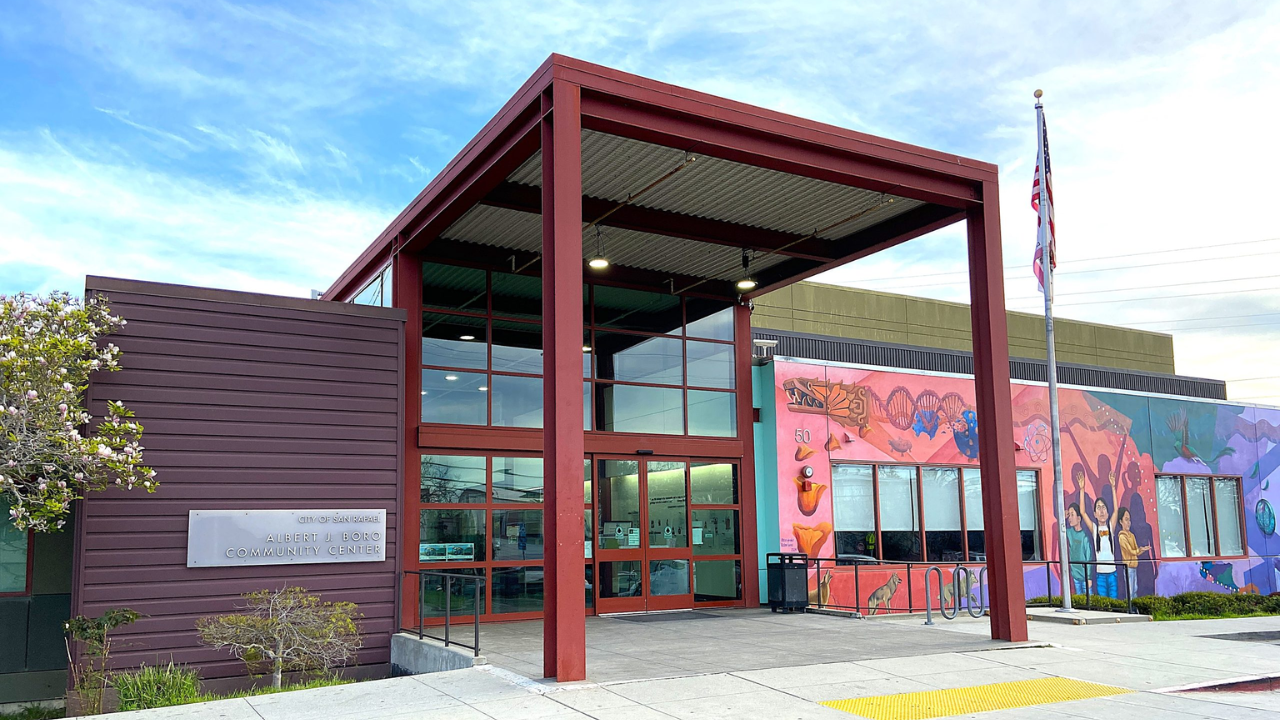
Albert J. Boro Community Center
Facebook Livestream with Dario D’Arrigo’s Encuentro Latino
33 residents in person and 70 online via Facebook Live
Speaker: Supervisor Dennis Rodoni
Guest Speakers: Pepe González, Director of Community Partnerships, San Rafael City Schools
Spanish interpretation available in person
Special thanks to Voces de Canal for providing pastries and hot chocolate for the community, Dario D’ Arrigo for livestreaming the conversation on Encuentro Latino, and the Albert J. Boro Community Center for hosting the evening
Overview
More than 30 residents joined Supervisor Rodoni and community partners for an engaging and heartfelt conversation about local priorities, community safety, and access to essential services in East San Rafael. The discussion centered on collaboration between the County, City of San Rafael, schools, and local organizations to improve outcomes for families living and working in the Canal neighborhood.
County Updates: “One Marin”
Supervisor Rodoni opened the meeting thanking the community and apologizing that San Rafael City Councilmember Maika Llorens Gulati was not able to attend and expressed gratitude for her work and partnership as the city and county work to meet community needs in the east San Rafael.
He briefly shared updates on Marin County’s new executive leadership model, designed to unite County departments, cities, and unincorporated communities under a shared purpose—creating “One Marin.” The goal is to provide easy access to services, better coordination, and responsive government. Rodoni emphasized that residents should be able to expect “no wrong door” when seeking County support, and that local government should show up unified and solutions-focused across all communities.
Updates for East San Rafael
- Highway 580/101 Improvements: The City of San Rafael is leading pavement work to relieve congestion and planning long-term bike, pedestrian, and vehicle upgrades at Bellam Boulevard.
- Marin Transit Project: Marin Transit recently purchased property on Francisco Boulevard and secured a $35 million federal grant to develop a site that may include job training and childcare center and services. More information on that will be available in the coming months.
- Pickleweed Park: The group shared joy that the newly renovated soccer fields and playground are open and in full use. The group expressed gratitude to the city of San Rafael for undertaking this important community project.
- Canal Boatyard and Bridge: A good news story for the community. The County is finalizing the purchase of the Canal Boatyard property, with plans for a community park and gathering space. A feasibility study will soon explore options for a bike and pedestrian bridge that also allows for boat access. This project will improve connectivity for students to access the high school and for canal residents for shopping and as an alternative pedestrian route out of the Canal neighborhood in case of an emergency.
Community Environmental Efforts
Representatives from Races de Canal shared gratitude for being part of the conversation and announced their participation in the Marin Monarch Working Group. The group is collaborating to create native plant gardens that support monarch butterfly habitat and improve the local environment in the Canal neighborhood. They thanked Fernando and Morgan from Supervisor Rodoni’s office for connecting them to resources and partners in West Marin to support this work and are now members of Marin Monarch Working Group.
Immigration Support and Rapid Response Network
Residents expressed appreciation for the County’s continued stance that it does not cooperate with ICE and is committed to safe, accessible services for all residents, regardless of immigration status.
At the same time, participants raised concerns about the lack of a formal emergency plan for immigration raids and community crises. Attendees noted that San Francisco has a clear protocol, and they urged Marin County to create a similar coordinated response with text alerts, multilingual communication, and clear instructions for families during emergencies. Supervisor Rodoni and staff agreed to explore this need with partners to strengthen emergency planning and outreach.
County staff also distributed Marin Rapid Response Network cards in English and Spanish. The program connects residents with legal and social assistance when enforcement activity occurs. Feedback included requests for faster responses, less reliance on social media for updates, and clearer follow-up communication after calls. These suggestions will be shared with network partners to help improve service delivery and community trust.
Community Concerns: Access, Trust, and Support
Several participants voiced frustration and declining trust in agencies, describing experiences where help was unavailable or delayed. Residents shared that navigating assistance often requires personal referrals between organizations, making it difficult for many to access urgent resources. Attendees emphasized that the system feels disconnected, with overlapping agencies and unmet promises leaving families without support. Many asked how the community can be expected to trust agencies if results are inconsistent or unclear.
Concerns with Loss of Access to CalFresh and SNAP Benefits
In addition to immigration and housing challenges, participants raised urgent concerns about the pending loss of federal food subsidy benefits due to the federal government shutdown. As of November 1st, thousands of families may temporarily lose access to CalFresh and SNAP benefits, leaving many without food. Residents stressed that this situation could quickly become a local emergency, with families already waiting months for assistance and facing difficult choices between rent, food, and utilities. They called for stronger coordination, clear information sharing, and countywide food support, not limited to individual towns for responses.
Mario Ernesto Lopez, Community Advocate for Canal and West Marin from Marin Community Foundation, shared the Marin Community Foundation (MCF) is already working on a $500,000 emergency food relief effort and coordinating with local food banks to strengthen distribution in East San Rafael and beyond. Supervisor Rodoni shared that there are many people in partnership working on the response to the loss of CalFresh and SNAP benefits with additional information to be released soon by the county.
Pepe González from San Rafael City Schools, reported that all 2,700 students in the district, representing about 1,600 families, will receive free breakfast and lunch, with supper provided to those in after-school programs. The district is coordinating with community partners to align food resources and outreach during this critical time, using tools like ParentSquare to reach families quickly and effectively.
Housing and Tenant Concerns
Residents at 400 Canal raised questions about rising utility fees and charges. Supervisor Rodoni explained that the issue is under review by the City of San Rafael and the Attorney General’s Office, with guidance from Legal Aid. The County will continue to coordinate with city leadership, including Council member Maika Llorens Gulati, to support tenant protections and transparency.
Access to Information and Services
Residents expressed concern and emphasized the importance of reaching residents who cannot read, write, and do not have internet access. County staff encouraged community members to connect with trusted local organizations, including Canal Alliance, Community Action Marin, and HHS service centers, which can help bridge communication and provide in-person support.
Closing Reflections
The evening ended with appreciation for the resilience and advocacy of the Canal community.
Residents and leaders alike acknowledged that while the challenges are real—affordable housing, food access, and immigration support—the community’s strength lies in its ability to come together, speak up, and work collectively toward solutions.
Supervisor Rodoni’s Community Conversation, Central Marin
October 28, 2025
Corte Madera Library
707 Meadowsweet Dr, Corte Madera, CA 94925
Speaker: Supervisor Dennis Rodoni
Guest Speakers: Lana Adlawan (Marin County Library), Pat Ravasio (Corte Madera Town Council), Eli Beckman (Corte Madera Town Council), Fred Cassia (Corte Madera Town Council), and Rebecca Vaughn (Assistant Town Manager)
Special thanks to Lana Adlawan and the Marin County Free Library for hosting.
Overview
Community members and local leaders from Corte Madera, Larkspur, and San Quentin Village joined Supervisor Rodoni for a collaborative conversation focused on local priorities, including housing, transportation, and library improvements. The discussion highlighted strong partnerships between towns and the County, ongoing infrastructure projects, and shared efforts to make Central Marin more connected, sustainable, and responsive to community needs.
Welcome and Introductions
Supervisor Dennis Rodoni opened the meeting by thanking attendees for their continued civic engagement and acknowledging the collaboration between the County and local town leaders. He expressed appreciation for the partnership that continues to strengthen Central Marin communities.
Marin County Free Library Updates
Lana Adlawan, Director of the Marin County Free Library, shared recent and upcoming improvements at the Corte Madera Library:
-
Completed renovations include new heating and cooling systems, electric vehicle (EV) chargers, and an enhanced outdoor deck area nestled in the redwoods, creating a welcoming and serene outdoor space.
-
Next summer, the library will begin an interior refresh, adding new carpeting, furniture, and improved spaces to enhance user experience.
-
A larger capital improvement project is also in development, focusing on the foundation and program areas, with opportunities for community input.
Lana emphasized that these updates reflect how deeply residents value their local library as a hub for connection, learning, and gathering.
County Updates: A “One Marin” Approach
Supervisor Rodoni provided an overview of the County’s organizational transformation, moving from a traditional administrative model to a more coordinated executive structure. Under this system, department heads now report to the County Executive (CE) rather than directly to the Board of Supervisors. This change fosters stronger accountability, collaboration, and alignment across County departments.
He highlighted the County’s “One Marin” initiative, focused on uniting cities, towns, and unincorporated communities to address shared challenges with a coordinated, community-first approach.
Other County updates included:
-
FixItMarin App: A new public service tool for reporting issues like potholes, graffiti, or fallen branches. Residents and town staff were encouraged to try it and provide feedback on functionality.
-
Organizational Studies: Ongoing reviews in the Community Development Agency, Marin Housing Authority, and Public Works to streamline operations.
-
Fiscal Update: Marin County continues to maintain a balanced budget and strong reserves, ensuring fiscal health for future projects.
-
Recent County Success: Rodoni noted a favorable legal outcome in a recent County lawsuit.
-
C-Band Weather Station: The installation in San Geronimo Valley will improve local atmospheric river predictions and provide public access to real-time data.
Town Council members expressed enthusiasm for these County initiatives, noting the shared commitment to efficiency and accessibility across agencies.
Town and Community Discussion and Updates
Corte Madera Town Councilmembers and Assistant Town Manager Rebecca Vaughn shared several updates:
-
New Pedestrian Overcrossing: Construction is scheduled for Summer 2027, with support from the Metropolitan Transportation Commission (MTC). Link to City of Corte Madera website
-
Public Art: Colorful whale murals have been painted under the overpass, brightening a key community entryway.
-
Intergenerational Center: Final lease negotiations are underway for a new center at Tamalpais Drive Apartments (the former Andy’s Market site). Opening is planned for mid-2026, offering classroom space, 3D printing workshops, art classes, and chair yoga. The project aims to connect seniors and youth through shared learning and creative programming. Supervisor Rodoni expressed County support for this initiative.
-
Downtown Revitalization and Housing: Several commercial properties are exploring mixed-use or housing conversions, including the former Macy’s, JoAnn Fabrics, and movie theater sites. Town leaders emphasized a preference for smaller, organically affordable units, providing options for seniors, students, and young professionals.
Community Discussion
The conversation covered several important topics and local concerns:
-
Eastern Shoreline Bay Trail Project: Attendees asked for updates on the Bay Trail alignment study. The current effort, updating prior studies from 2011 and 2021, will evaluate seven route options for pedestrian and bicycle access along the shoreline. Supervisor Rodoni’s office will share public engagement updates and design timelines as they develop.
-
Highway 101 Traffic & HOV Lanes: Community members discussed traffic congestion, HOV lane hours, and metering lights near the overcrossing. Supervisor Rodoni noted that Board colleagues are in discussion with Caltrans about adjusting HOV hours in response to community feedback.
-
Corte Madera Post Office Concerns: Attendees raised long-standing issues regarding late-night noise and operations at the Corte Madera Post Office. Supervisor Rodoni suggested collaboration between the Town, District 4 Office, and Congressman Huffman’s Office to help continue the discussion with USPS federal partners in resolving the matter.
-
Central Marin Police and EV Infrastructure: The Central Marin Police Authority will soon deploy two new electric patrol cars, supported by County rebate programs. Twenty new EV charging stations are being installed throughout the area to expand access for residents and public safety.
Closing Reflections
The evening closed with appreciation for the dedication and collaboration of Central Marin’s community leaders and residents. Participants recognized that while challenges such as traffic, housing, and infrastructure improvements remain, the region’s strength comes from its shared commitment to communication, partnership, and problem-solving—working together to create a more connected and thriving Central Marin.
Supervisor Rodoni’s Community Conversation, Tomales and Dillon Beach
October 22, 2025
Tomales Town Hall
27150 Highway 1, Tomales, CA
30+ residents attended
Speaker: Supervisor Dennis Rodoni
Guest Speakers: Tom Nunes (Marin County Fire), Donna Clavaud and Mary Halley, (Tomales Community Service District), Marilu Ciseros (Shoreline School District), and Liz Max (West Marin Community Services)
Special thanks to Donna Clavaud and the Tomales Town Hall for hosting
Overview
Neighbors from Tomales, Dillon Beach, and surrounding rural areas came together for community updates, public safety discussions, and exciting news about local youth, infrastructure, and resilience projects.
County and District 4 Updates
Supervisor Dennis Rodoni opened the evening by sharing updates on County initiatives designed to improve efficiency and strengthen local services. The County Executive’s Office is being restructured to operate as a project management model, breaking down departmental silos and supporting a “One Marin” approach to service delivery in the County.
Rodoni also highlighted his Closer to Home initiative, which brings County departments directly to West Marin through in-person service days at the Point Reyes Station Multi-Services Center. Community members can now access a range of services closer to home, including legal aid, building permits, public defense, and employment support. District Aides are also available, Fernando Barreto on Mondays, and Morgan Patton on Fridays.
He confirmed that Marin County continues to maintain a balanced budget with strong reserves to weather potential state and federal funding challenges.
Community Development Agency (CDA) updates included a new self-certification permitting process that simplifies home improvement permits and avoids unnecessary septic-related costs. Rodoni also noted progress on updating the Local Agency Management Program (LAMP) to modernize septic regulations, important for agricultural and rural areas like Dillon Beach.
On the infrastructure front, broadband expansion is on the way to Tomales and Dillon Beach through a Caltrans-led project to install high-speed internet along Highway 1, with completion expected by late 2026.
Residents were also introduced to the County’s new FixItMarin app being piloted in San Geronimo Valley, a tool for reporting issues such as potholes, dumping, and downed trees, as part of a countywide effort to improve responsiveness and communication.
Fire and Emergency Services
Tom Nunes from Marin County Fire provided an update on fire readiness, noting that 2025 saw a relatively calm wildfire season. The department continues to train and prepare for winter storm impacts, including power outages and high surf events that draw large coastal crowds.
Community members discussed the use of the digital traffic and hazard message board on Dillon Beach Road. Fire and County staff agreed to continue refining policies on how best to use the sign for emergencies and visitor safety without overuse.
Supervisor Rodoni shared news of the new countywide emergency dispatch and command center in San Rafael, which integrates local fire, medical, and law enforcement dispatch under one coordinated system—improving response times and interagency collaboration across 15 jurisdictions.
The group also discussed mental health support for fire personnel, ongoing CalFire partnerships, and cooperative agreements with PG&E and regional helicopter services for rapid emergency response.
Residents expressed appreciation for Measure C-funded wildfire prevention programs, including defensible space inspections and neighborhood chipper days, noting that the updated approach feels more supportive and educational than in years past.
Community Resilience and Local Programs
Community leaders celebrated Tomales’ growing network of programs supporting youth and families:
-
Tomales Youth Center, located at Town Hall, now operates two days per week, providing middle and high school students with after-school activities, homework help, and creative programming. The program is supported by the West Marin Fund, Marin Community Foundation, and County collaborative impact grants, and coordinated by West Marin Community Services in partnership with the Tomales Presbyterian Church.
-
The Tomales Scholars Literacy Program connects students in grades 3–6 with volunteer mentors for one-on-one reading sessions in partnership with the Marin County Free Library, creating a joyful space for literacy and friendship.
-
A community potluck is planned for November 5 at 5:30 p.m. at Town Hall, an open, non-religious gathering to bring neighbors together for connection and conversation.
Shoreline Unified School District’s Community Schools Director, Marilou Cisneros, shared updates on the Magnolia Project, which will offer career exploration and job-shadowing opportunities for students, further linking youth with the broader West Marin community.
Infrastructure, Microgrid, and Parks
Mary Halley of the Tomales Community Services District provided updates on local infrastructure and park improvements. The district recently completed smoke testing and system assessments to prepare for heavy rains and is working toward remote access controls for water management during atmospheric river events.
At the Tomales Community Park, new fencing, redwood picnic tables, and engraved benches, crafted through a detention facility job training program and supported by Marin bike groups, have revitalized the space. The park continues to serve both local families and cyclists on long-distance coastal routes.
The community also discussed Tomales’ new microgrid project, an important step in improving local energy resilience. The west side of town, including the fire station and church, will be connected to a solar-powered microgrid that can operate independently during power outages. The east side, which includes the school district and sewer facility, will be submitting an application in the coming months to be considered in the project. The project, supported by PG&E, will help ensure that essential services remain powered during emergencies and natural disasters, serving as a model for other small West Marin towns.
Flooding, Drainage, and Caltrans Coordination
One of the most important community topics of the evening centered on chronic flooding and drainage challenges in Tomales. Residents described how heavy rains regularly flood downtown streets, where runoff from surrounding hills channels beneath historic buildings—including the old creamery—through an aging underground creek system. Longtime residents recalled historic flooding events, including photographs from 1973 showing residents navigating Main Street by rowboat. Several noted that these same flood patterns persist today, worsened by heavy storms and blocked culverts.
Supervisor Rodoni acknowledged the scale of the issue and committed to working with Marin County Public Works (DPW) to initiate a drainage and flood management feasibility study. This study would help to understand the water flow, culvert capacity, and infrastructure conditions to help identify practical solutions. Rodoni explained that while the County may fund the initial study, ongoing drainage improvements may eventually require a community-based flood zone assessment to fund long-term projects.
Community members urged stronger coordination with Caltrans and shared frustration with past delays in addressing drainage issues. Supervisor Rodoni shared that Caltrans projects have faced staffing and design challenges and that the flat topography and limited grading of Highway 1 complicate drainage solutions. However, he confirmed that the County maintains an active working relationship with Caltrans engineers to address challenges in the community along Highway 1.
Emergency Communication and Community Preparedness
Communication and emergency alerts were another area of progress. After six years of advocacy, Tomales will soon receive KWMR community radio service via a new signal booster installed on the Marin Emergency Radio Authority (MERA) tower. The system will enhance emergency communications and ensure residents can receive vital information during disasters.
Local churches also reaffirmed their role as community anchors in times of crisis, with both the Catholic Church of the Assumption and the Tomales Presbyterian Church are both ready to serve as emergency shelters as needed and as they did during the tragic wildfires in 2017 that impacted Santa Rosa residents.
Community Wrap-Up: Working Together as an Unincorporated Town
The evening closed with reflections from community members on Tomales’ identity as an unincorporated town—a place without a mayor or city government, yet full of ingenuity, collaboration, and local pride. Residents shared a collective appreciation for how much the community has accomplished through partnership and perseverance: restoring the sewer system, building a microgrid, securing broadband internet and emergency radio coverage, improving drainage and infrastructure, and investing in youth programs and public spaces.
Neighbors expressed gratitude for the cooperation among local leaders, including community advocates, schools, churches, and service districts, who continue to make Tomales and Dillon Beach models of what small, rural communities can achieve when they work together.
Supervisor Rodoni’s Community Conversation, San Geronimo Valley and Nicasio
October 8, 2025
San Geronimo Valley Community Center
6353 Sir Francis Drake Blvd., San Geronimo, CA 94963
75+ residents attended
Speaker: Supervisor Dennis Rodoni
Guest Speakers: Brett Cutler (Public Works), Crosby Burns (Digital Innovation), Chris Choo (Community Development Agency), Berenice Davidson (Public Works) and Todd Overshiner (Marin County Fire).
Overview
Neighbors from across San Geronimo Valley and Nicasio joined Supervisor Rodoni and County staff for an engaging evening of updates, conversation, and collaboration.
County Updates
Supervisor Rodoni opened the evening with County updates, including discussing the changes int the Marin County Office of Executive to improve interdepartmental collaboration. The Supervisor shared that Marin County continues to have a balanced budget, but we are monitoring the changes in federal funding. A priority of the District 4 office is to bring government closer to the communities it serves and part of that effort is the “Closer to Home” initiative that brings county Departments to West Marin on the second Wednesday of each month to the West Marin Multi-Services Center in downtown Point Reyes Station. Residents can talk to staff members from Public Work, Building Department, Probation, District Attorney, and Sheriff. District Aides are also available, Fernando Barreto on Mondays, and Morgan Patton on Fridays. The Supervisor also shared that he is proud to announce that the Community Development Agency has introduced under his leadership, a simplified permitting process to allow repairs and work that does not affect a septic system to move forward without environmental health septic review.
Public Works, San Geronimo Valley Road Improvements
Brett Cutler shared that Public Works was making some updates on San Geronimo Valley Road, including vegetation clearing, shoulder reinforcement, and adding new signage. In the future Public Works will propose lowering the speed limit to 30 MPH, adding striping enhancements, and reviewing key intersections for improvements along the entire stretch of the road. Residents shared valuable feedback on pedestrian safety near Roy’s Redwoods, vegetation management, and importance of supporting safe travel for cyclists.
Digital Innovation – FixItMarin App
Crosby Burns introduced the County’s FixItMarin app, now being piloted in San Geronimo Valley. The app allows residents to easily report issues such as potholes, dumping, or road damage and helps departments coordinate responses across agencies. The effort is part of the County’s “One Marin” initiative that Supervisor Rodoni mentioned earlier with the Office of Executive changes, to make local government more transparent, efficient, and responsive.
Community Development Agency – Wastewater Updates
Chris Choo shared an important update on the Local Agency Management Program (LAMP) — a key initiative to modernize how septic systems are permitted and managed in West Marin. In Marin, many local septic systems were built before current state regulations, Marin must create a regulatory document that is approved by the Regional Water Quality Control Board that ensures residents can install and maintain alternative septic systems that account for density and the region’s geography that meet health, safety, and environmental (water quality) standards. In September 2025, the County approved a contract to update the LAMP. The effort is being led by Questa Engineering with Michael Frank, former City Manager of Novato, serving as Project Manager. The team will oversee technical review, community outreach, and coordination with state regulatory agencies. Community engagement will begin in early 2026 to gather public input and ensure local residents’ voices shape the plan. Outreach will include public meetings, collaboration with community partners, and communication through the Supervisor’s Office. Community members expressed strong interest in this topic.
Community members discussed the importance of updating septic regulations to reflect modern water use efficiencies and technological advances that could improve system capacity. They also highlighted the potential for these updates to support accessory dwelling units (ADUs) and broader housing opportunities in West Marin, with continued community discussions planned to explore the connection between the LAMP and local housing needs.
Youth Presentation – Climate and Solar Energy Innovation
Students shared a thoughtful presentation on solar energy and sustainability, offering creative ideas to make renewable energy more accessible in West Marin. They encouraged the County to explore ways to simplify the solar permitting process, including the possibility of an easy-to-use app for permit applications and the elimination of permits for small, plug-in solar installations.
Chris Choo from the Community Development Agency responded that while there isn’t an app currently, the County does offer a self-service, over-the-counter solar permit process with a final inspection, and is also reviewing the fee structure for these permits. Chris noted that very small solar panels, such as those on balconies or in yards, typically don’t require a permit, though safety and fire concerns must always be considered.
Supervisor Rodoni praised the students for their initiative and creative thinking, highlighting that young voices play an important role in shaping local policy. He encouraged them to keep sharing their ideas, just as past youth efforts have helped bring changes like the Marin County resusable foodware ordinance and new Lagunitas Skate Park projects to life.
Nicasio Residents – Creek Maintenance and Flooding
Nicasio residents shared concerns about creek flooding, sediment buildup, and lack of maintenance on Marin Water property. Supervisor Rodoni, joined by Berenice Davidson, reaffirmed the County’s commitment to supporting upcoming community meetings and working with Marin Water and state and federal partners to clarify responsibilities and pursue creek maintenance solutions before the rainy season.
Fire Access and Tree Removal
Residents of Sylvan and Conifer Roads voiced concerns about tree removal plans for emergency access and shared alternatives that they would like Marin County Fire to consider. Todd Overshiner from Marin County Fire listened to community input and explained the challenges of balancing fire safety with neighborhood impacts. He assured attendees that the department will continue working with residents to find practical, community-supported solutions.
Forest Knolls Illegal Dumping Site
Supervisor Rodoni and residents discussed the ongoing challenge of illegal dumping in Forest Knolls on roadsides and in areas that are private property. Public Works has completed multiple cleanups, and residents are encouraged to use FixItMarin to report incidents. Community members shared creative suggestions, including adding educational signage and web links for recycling and disposal options, expanding Recology’s bulky item pickup program and exploring ways to revive the “Recycle Circus” reuse event. Berenice Davidson shared that Recology (waste hauler) vouchers are available for free disposal of large items, and the County will continue working with local partners coordinating cleanups and education outreach
Federal Immigration Enforcement
The discussion also focused on community preparedness and support for immigrant families in West Marin. Participants shared concerns about the fear and disruption caused by rumors of immigration enforcement activity and emphasized the importance of accurate information and local coordination.
County representatives outlined the ongoing work to strengthen resources for immigrant residents, including a $500,000 allocation from the Board of Supervisors to expand the Marin Rapid Response Network—a partnership with community organizations that provides a 24-hour hotline (415-991-4545) for reporting immigration enforcement activity and accessing legal and social support. Two organizations have been selected to offer free legal screenings, representation, and removal defense for immigrants in need, along with emergency financial assistance for families affected by detentions. Residents were encouraged to continue fostering inclusion by supporting local organizations like the San Geronimo Valley Community Center and by building connections with neighbors that help all community members feel safe and supported.
Other Key Topics
-
Mt. Barnabe Weather Station: Installation supports regional weather monitoring for atmospheric river events. Ongoing discussions continue around shared maintenance of the access of the private road and concerns of damages from the construction vehicles.
-
Woodacre Flats Project: A feasibility report is being developed for the community system. The County needs more information on the cost analysis. A few alternatives on treatment options for 150-200 households to connect.
-
Homeowner Insurance: Supervisor Rodoni shared updates on state efforts to address wildfire-related insurance cancellations.
- Fire Station Relocation: Questions were raised by local community about when there will be public engagement to talk about the plans for the new fire station. Concerns that the original plans are too big. Local community members expressed the need for robust community engagement in this process. Community members wanted the county officials to know that seniors rely on some clinic-type medical assistance at the current Woodacre facility and would like to ensure that access will continue at the new facility with some type of potential clinical setting. Concerned with losing this service since travel to medical facility over the hill is challenging for seniors. Others expressed the importance for a community room or space for gatherings like public meetings or celebrations.
Supervisor Rodoni closed by thanking attendees for their engagement, highlighting that community input is vital to shaping County action and ensuring West Marin’s needs are represented.
Special thanks to Alexa Davidson and the San Geronimo Valley Community Center for hosting!
-
 County of Marin, District 4, Dillon Beach ©Getty Image
 -
 County of Marin, District 4, Tomales ©Getty Image
 -
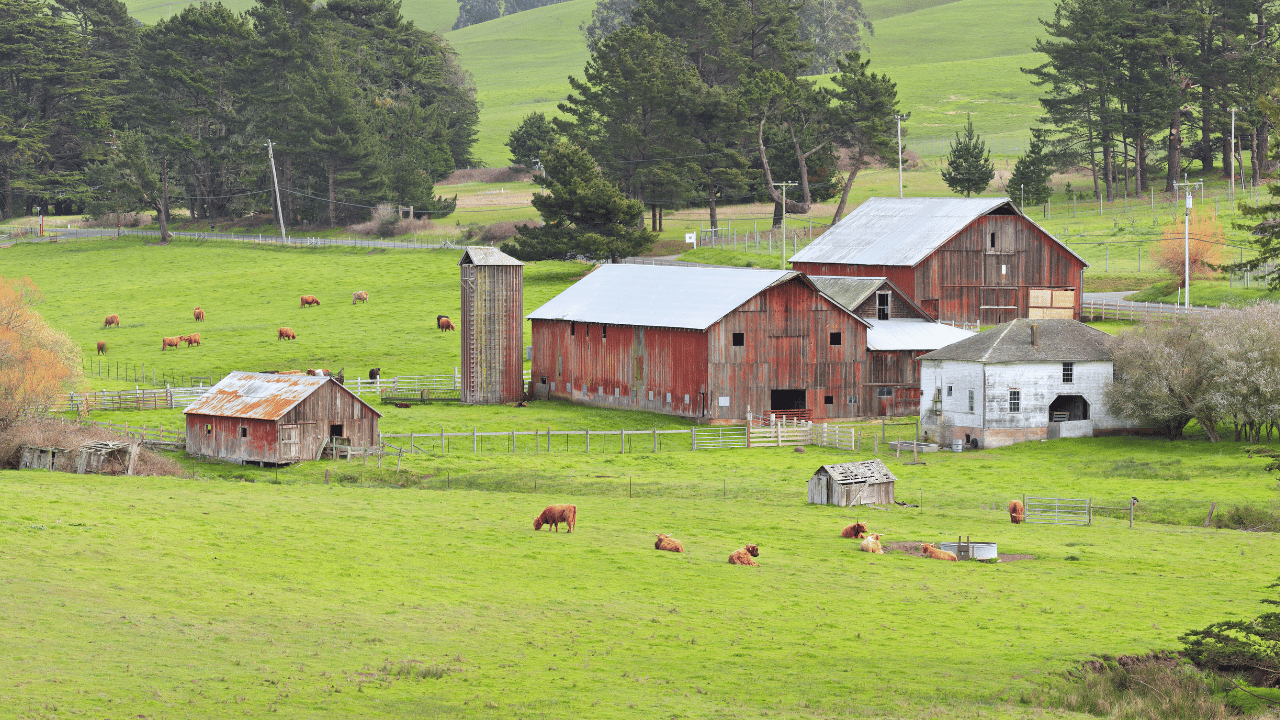 County of Marin, District 4, Ranchlands ©Getty Image
 -
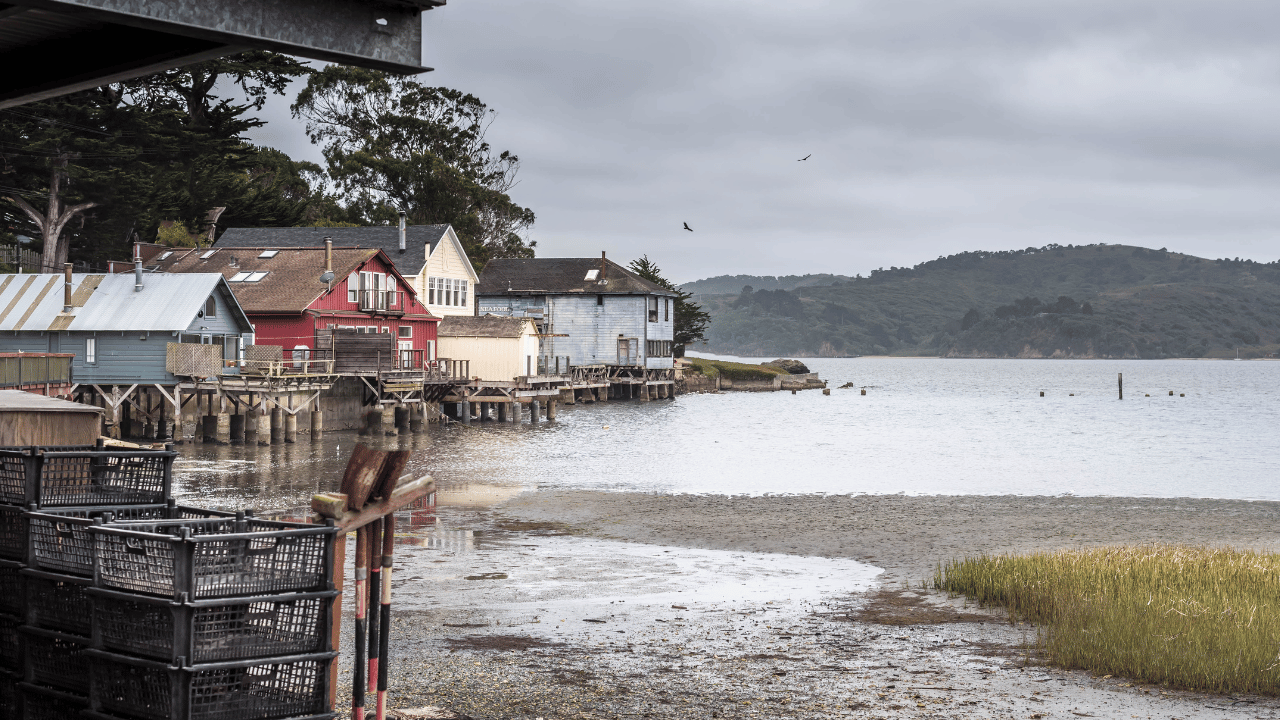 County of Marin, District 4, Marshall ©Getty Image
 -
 County of Marin, District 4, East Shore Tomales Bay ©Getty Image
 -
 County of Marin, District 4, Inverness ©Getty Image
 -
 County of Marin, District 4, Inverness ©Getty Image
 -
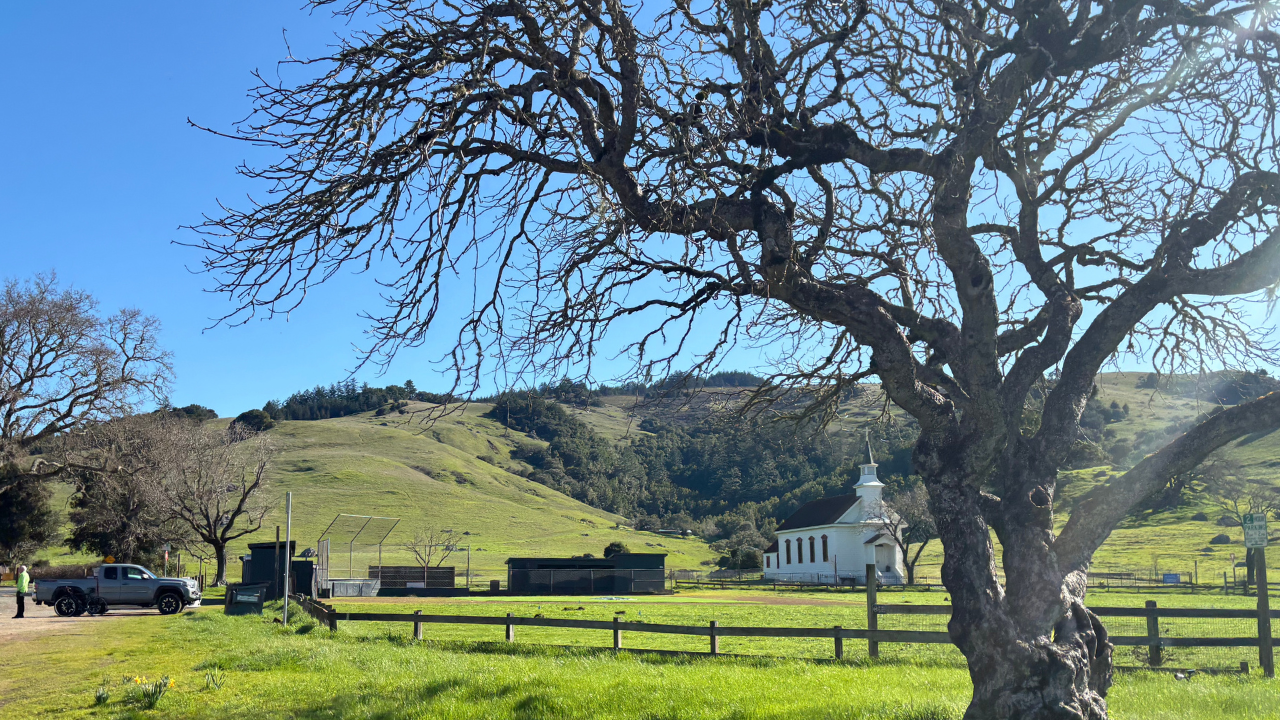 County of Marin, District 4, Nicasio ©Morgan Patton
 -
 County of Marin, District 4, Olema ©Morgan Patton
 -
 District 4, County of Marin, Agricultural ©Getty Image
 -
 County of Marin, District 4, Bolinas Agriculture ©Getty Image
 -
 County of Marin, District 4, Bolinas ©Getty Image
 -
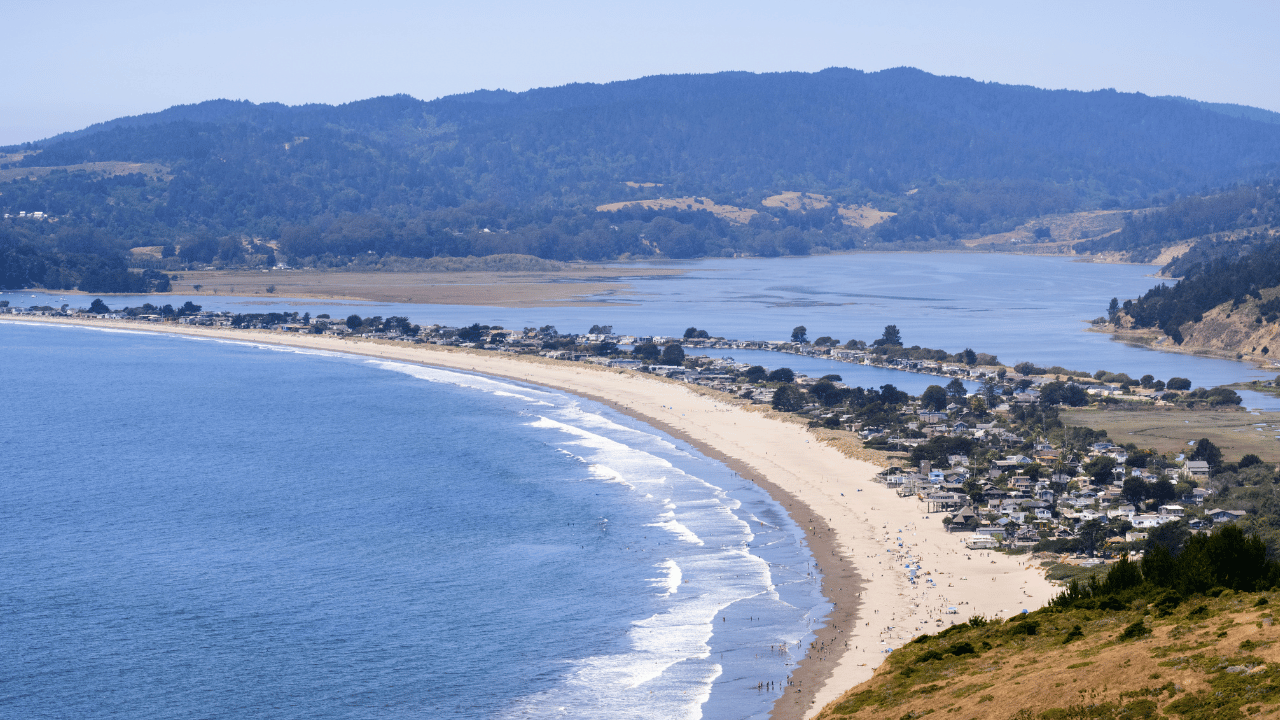 County of Marin, District 4, Stinson Beach ©Getty Image
 -
 County of Marin, District 4, Mount Tamalpais ©Getty Image
 -
 County of Marin, District 4, Muir Woods ©Getty Image
 -
 County of Marin, District 4, Muir Beach Community ©Getty Image
 -
 County of Marin, District 4, Panoramic Highway ©Getty Image
 -
-
 County of Marin, District 4, Corte Madera & Larkspur Shoreline ©Getty Image
 -
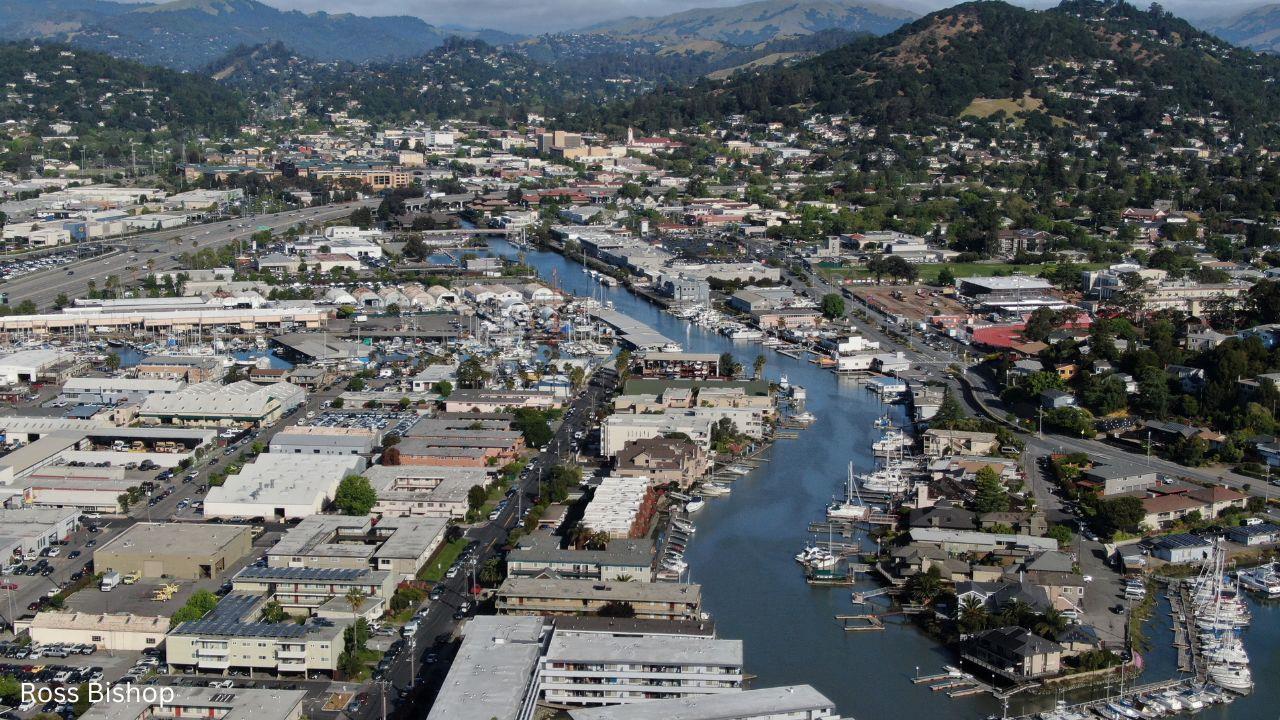 County of Marin, District 4, San Rafael Canal ©Ross Bishop
 -
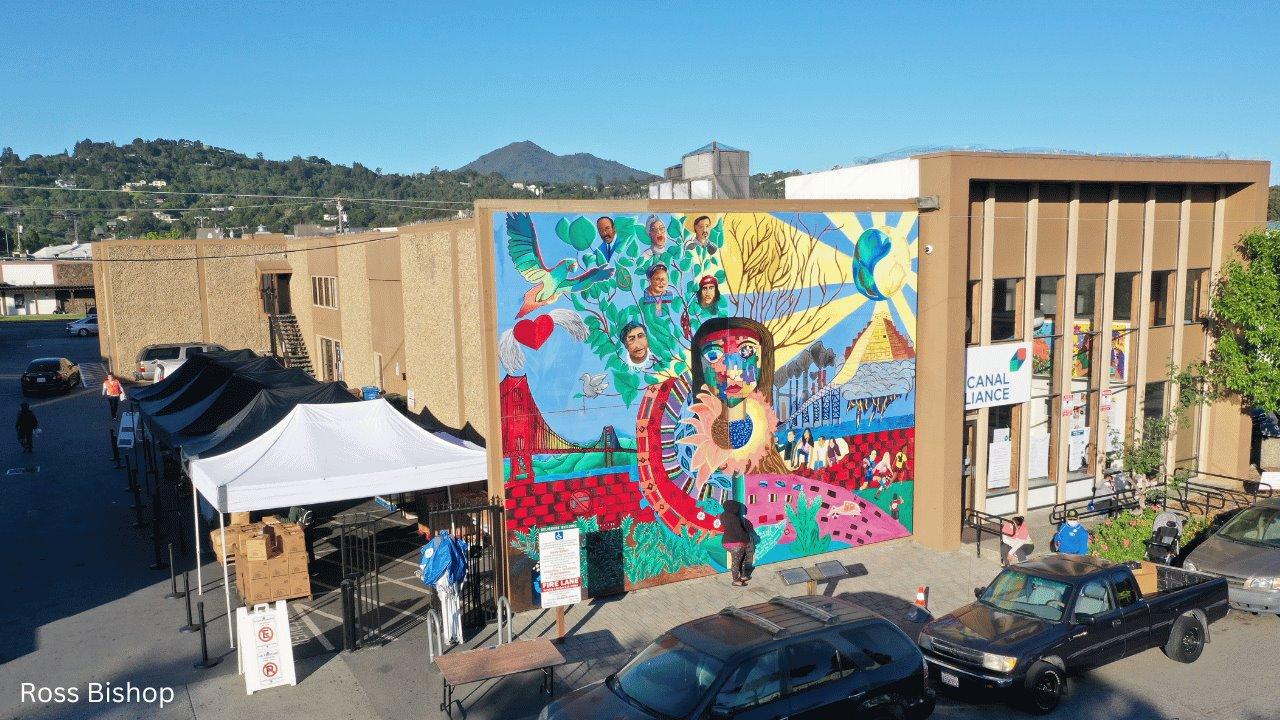 County of Marin, District 4, San Rafael Canal ©Ross Bishop
 -