

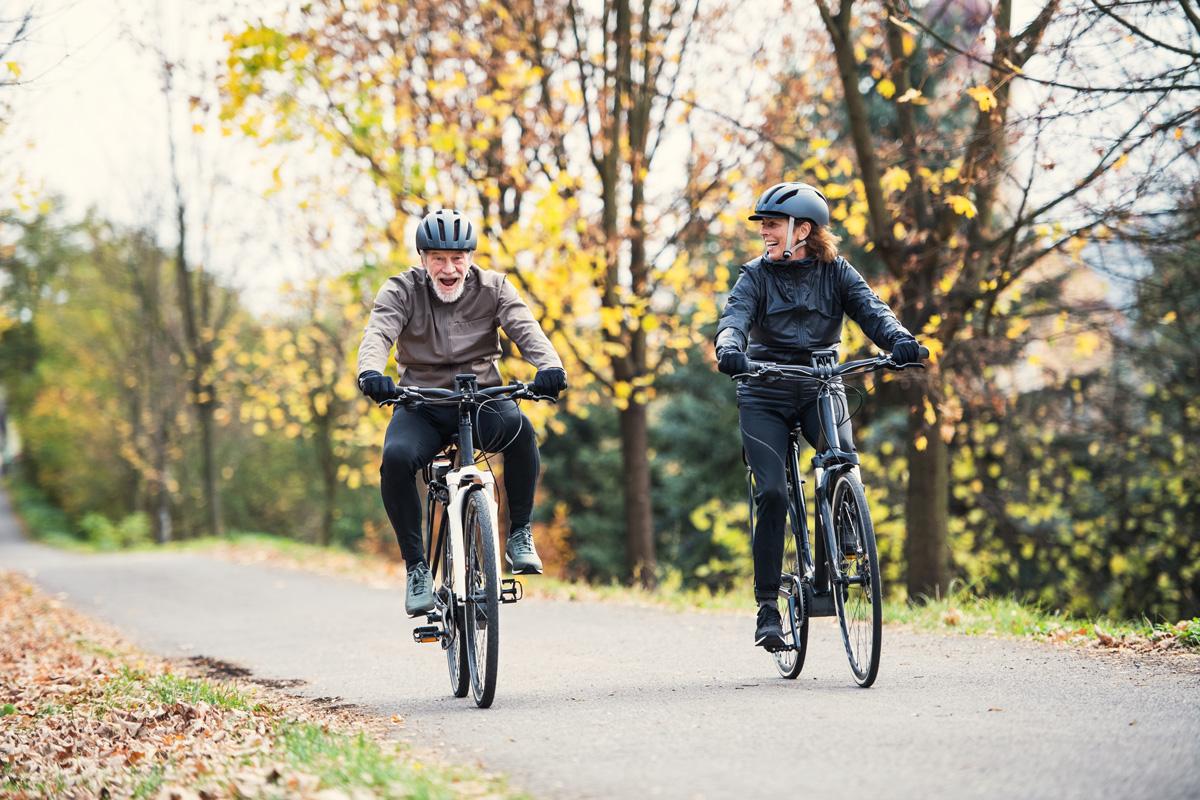
E-bike safety
Always be safe when riding, whether you're on a traditional bike or an e-bike. Why is e-bike safety important? Visit Marin Public Health’s e-bike safety alert and their bicycle accident data dashboard, updated weekly.
Back to school and e-bike safety
Biking to and from school promotes student health and reduces pollution. As we prepare for return to school, Marin families can expect new measures to protect young riders. Marin youth age 10-15 years old are at five times higher risk of serious e-bike injury than any other age group. Superintendent of Schools John Carroll, Health Officer Dr. Matt Willis, and Police Chiefs’ Association Chief Rick Navarro issued a letter to Marin parents, outlining local e-bike safety measures and inviting Marin parents to be part of the solution.
Aspects of e-bike safety
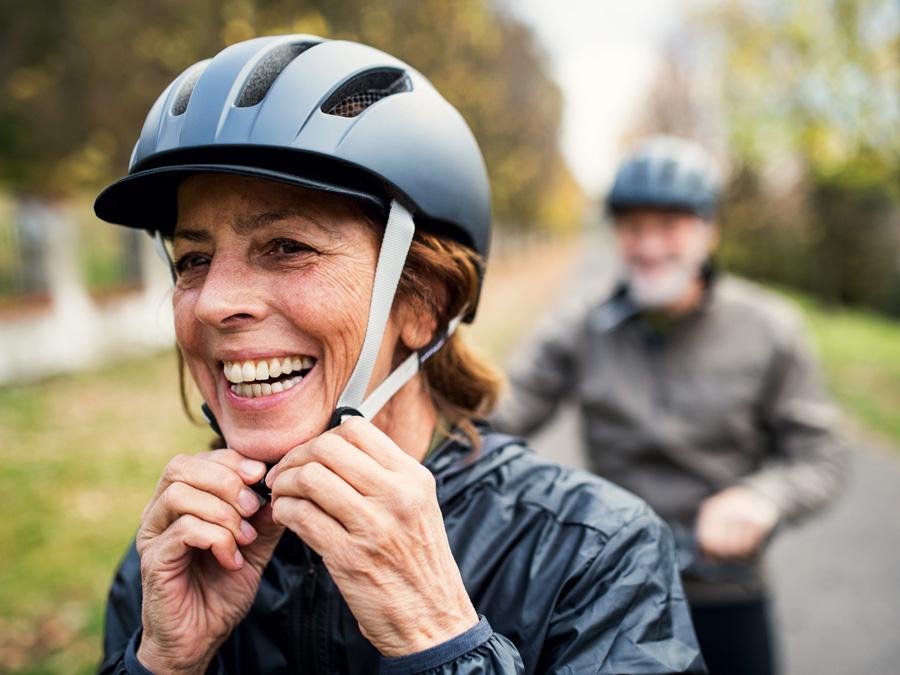
Wear a helmet and wear it properly.
Always wear a properly fitted bicycle helmet, regardless of your age or the type of bike you're riding. Helmets are required by law for cyclists under 18.
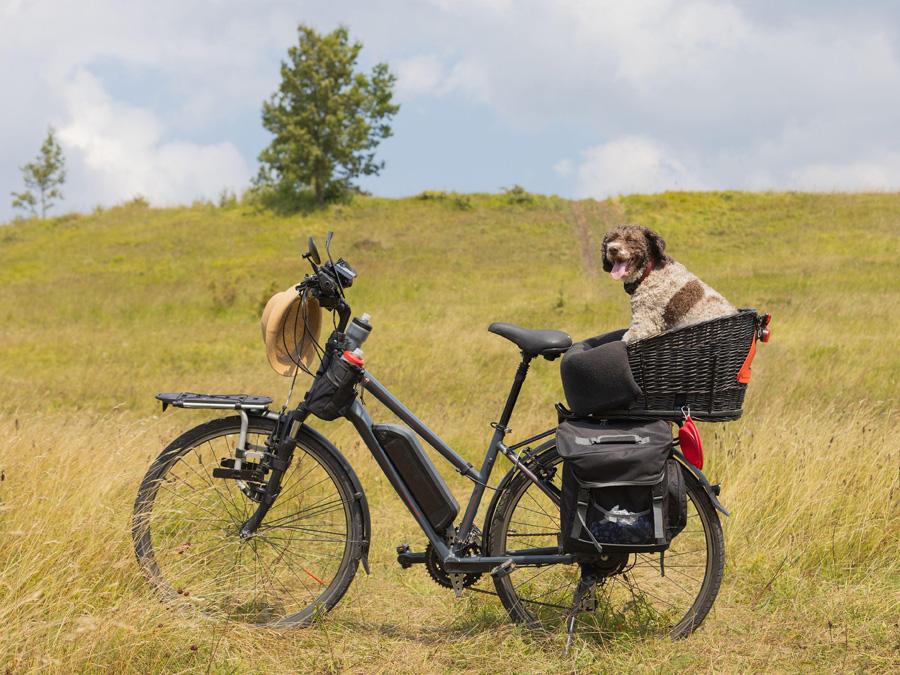
Practice passenger safety.
E-bikes are heavier and harder to control with or without a passenger. Carrying a passenger is legal only if your e-bike is designed to carry another person; regardless, the extra weight can make it difficult to maneuver, slow down, and stop.
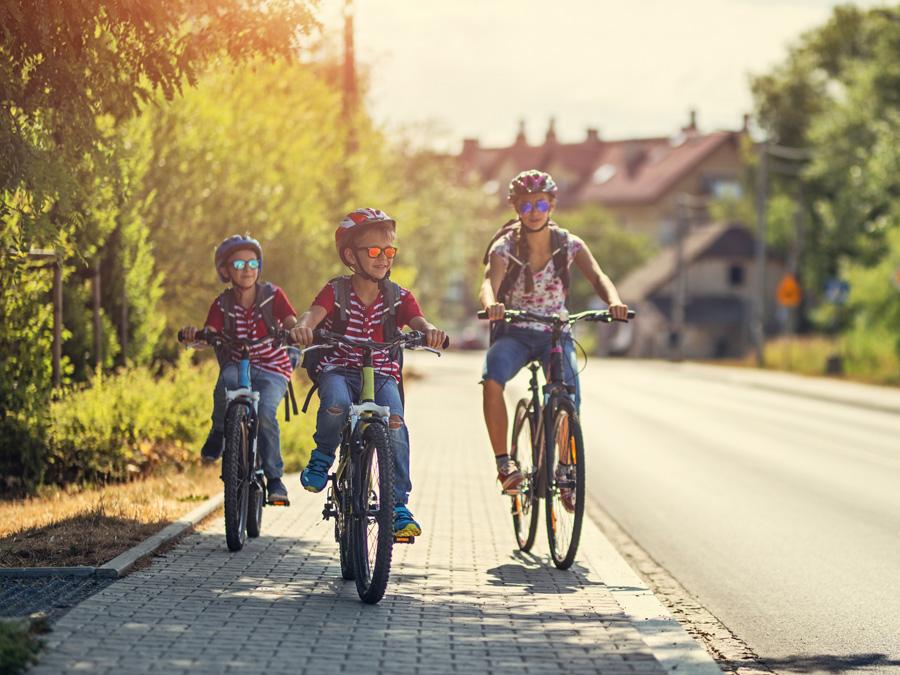
Be Responsible, Predictable, and Visible.
Follow the rules of the road, including stopping at stop signs. Ride in the same direction as traffic. Wear bright clothing and use lights.
Slow your speed.
The higher the speed, the higher the risk of severe injury. At 20 mph, it could take almost four school bus lengths to fully stop to avoid an obstacle.
General e-bike safety tips
- Share the road. When riding on any path, trail, or road be aware of other bikes, pedestrians, and vehicles. Be courteous in sharing the road by respecting spacing and signaling.
- Group riding. If riding in a group, maintain a safe distance from other riders to prevent collisions. Use hand signals or verbal communication to show changes in direction or speed.
- Be weather-aware. Adjust your riding style to weather conditions. Wet or icy roads can reduce traction, so be cautious and slow down.
- Helmet use. Always wear a properly fitted bicycle helmet, regardless of your age or the type of bike you're riding.
- Parking and locking. Secure your e-bike with a lock when leaving it unattended. Many e-bikes are expensive, making them attractive to thieves.
- Avoid distractions. Stay focused on the road and avoid using electronic devices while riding. Keep both hands on the handlebars.
- Watch for pedestrians. Be considerate of pedestrians, especially in shared-use paths. Slow down and give them the right of way when necessary.
- Follow traffic laws. Obey all traffic rules and regulations. Stop at stop signs and obey traffic signals. E-bikes are subject to the same laws as traditional bicycles.
- Ride in the right lane. Ride your e-bike in the same direction as traffic, staying in the right lane. Avoid riding on sidewalks when it's not permitted.
- Be predictable. Signal your intentions by using hand signals to show turns and stops. Avoid sudden movements that can surprise motorists, other riders, or pedestrians.
- Be visible. If you ride in low-light conditions, use lights and reflective accessories. This is very important at night.
Braking and brake maintenance
Brake maintenance and including proper braking techniques into your e-bike safety routine is important. You'll enhance your ability to control your e-bike. You'll ensure a safer riding experience, especially given the added weight of e-bikes.
Understand the weight of your bike and how it affects your brakes and braking. It's essential to safely stop and brake longevity.
- Apply even pressure to both the front and rear brakes, especially during sudden stops. This helps prevent the risk of skidding and provides better stability during braking.
- Start applying the brakes earlier than you would on a traditional bike. This will allow for a longer stopping distance to accommodate the bike's weight.
- E-bikes can travel faster on hills, so you'll need extra care when descending. Use your brakes with caution to avoid overheating them.
- If your e-bike has regenerative braking, learn how it works. It helps recharge the battery while you're braking. Understanding how to use it will enhance your riding experience.
- Make a habit to check your e-bike's brakes for wear and tear.
- Replace brake pads when they become too thin or show signs of damage. Worn brake pads will impair your ability to stop, especially on steep descents.
- Ensure that the brake cables are the proper tension.
- Maintain the proper positioning of the brake levers. If they feel too loose or too tight, adjust them. You may want to visit your local bike shop for help adjusting your brakes. Improper or misaligned brake lever positions can affect your ability to stop in a quick and safe way.
Related
-
E-bike laws to know
Learn about county and state laws for e-bikes and other electric micromobility options.
-
How to dispose your e-bike battery
Learn how and where to dispose of your e-bike battery properly and safely.
-
Micromobility
Electric micromobility have become popular in larger cities. Learn about the different types of electric micromobility options, like e-bikes, and the benefits for individuals and communities.
- E-Bikers Club Countywide public educational campaign promoting safe e-bike riding habits for Marin youth.